



React Native, Expo 54, and Expo Router implementation for the native ordering app, screen composition, navigation flow, and responsive mobile polish.
Case studies
Mobile Commerce Case Study
Alla Vostra
Flagship full stack mobile commerce app
Alla Vostra unifies product browsing, multi-rail checkout, delivery validation, and customer confirmations in a cohesive native experience built for real-world release.
Full-StackUI/UXF-EndB-EndRelease
PlatformsAndiOSWeb
400Quality GitHub Commits
200Real-Time Project Worklogs
2Storefront Releases
1Website
Overview
Overview
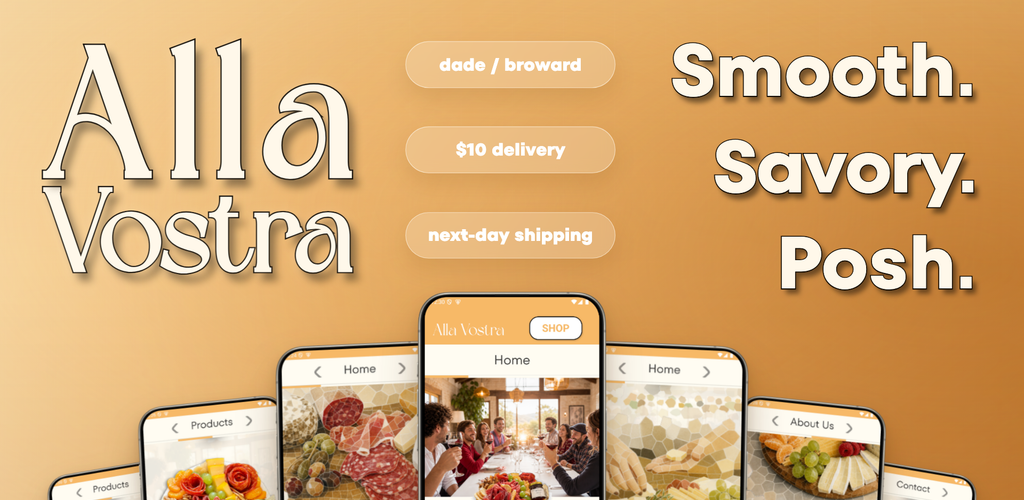
Alla Vostra turns a boutique grazing-board menu into a native ordering product: customers choose boards, enter delivery and contact details, pay through the best available payment rail, and receive confirmation through backend messaging. In addition, customers can access in-depth info about product offerings, learn about the brand's philosophy, and contact the business owner directly.
App Store release
Listing in preparation- Version
- TBD
- Released
- Pending
- Store bundle
- TBD
- App download
- TBD
- Requires
- iOS TBD
- Category
- Food & Drink
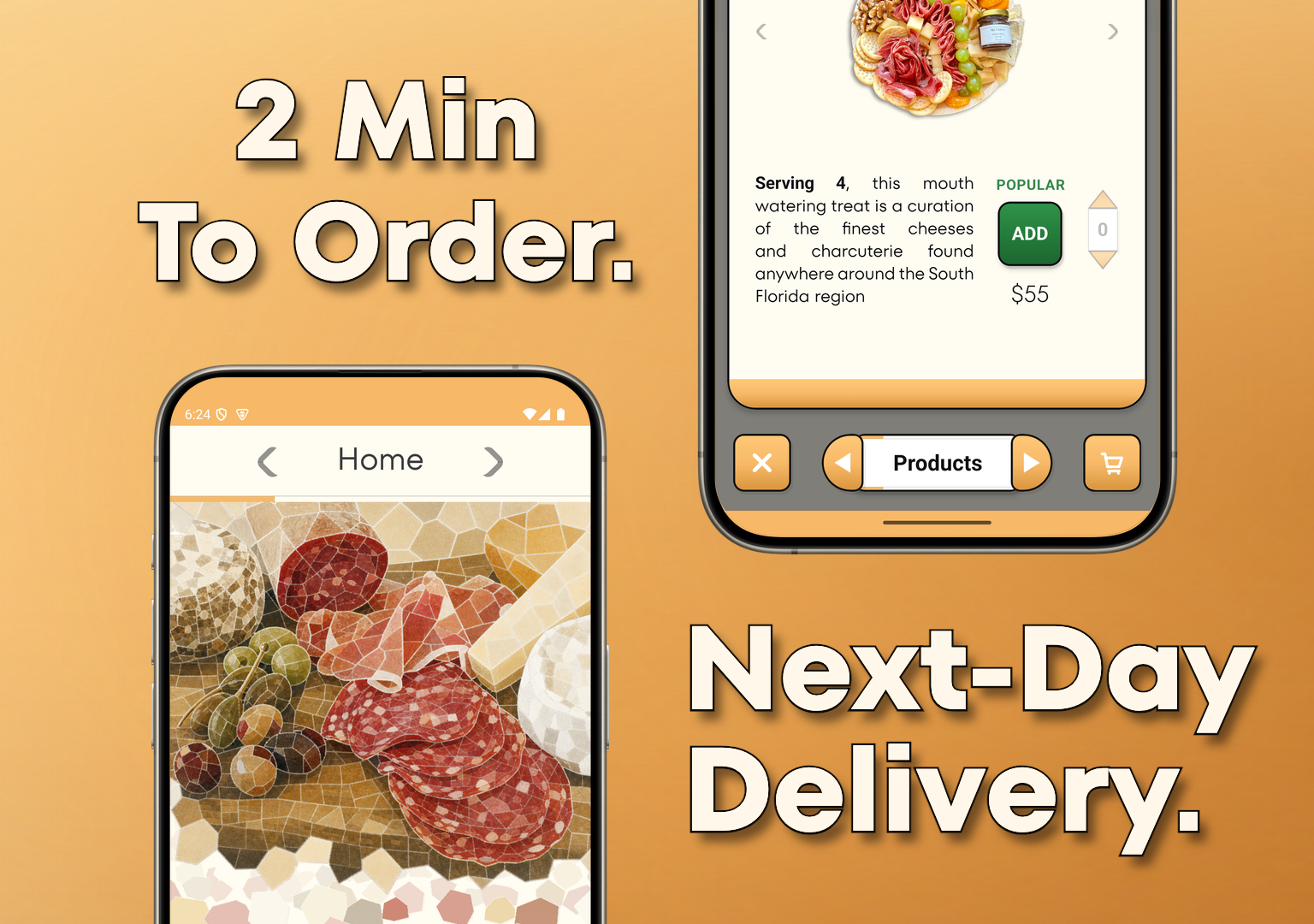
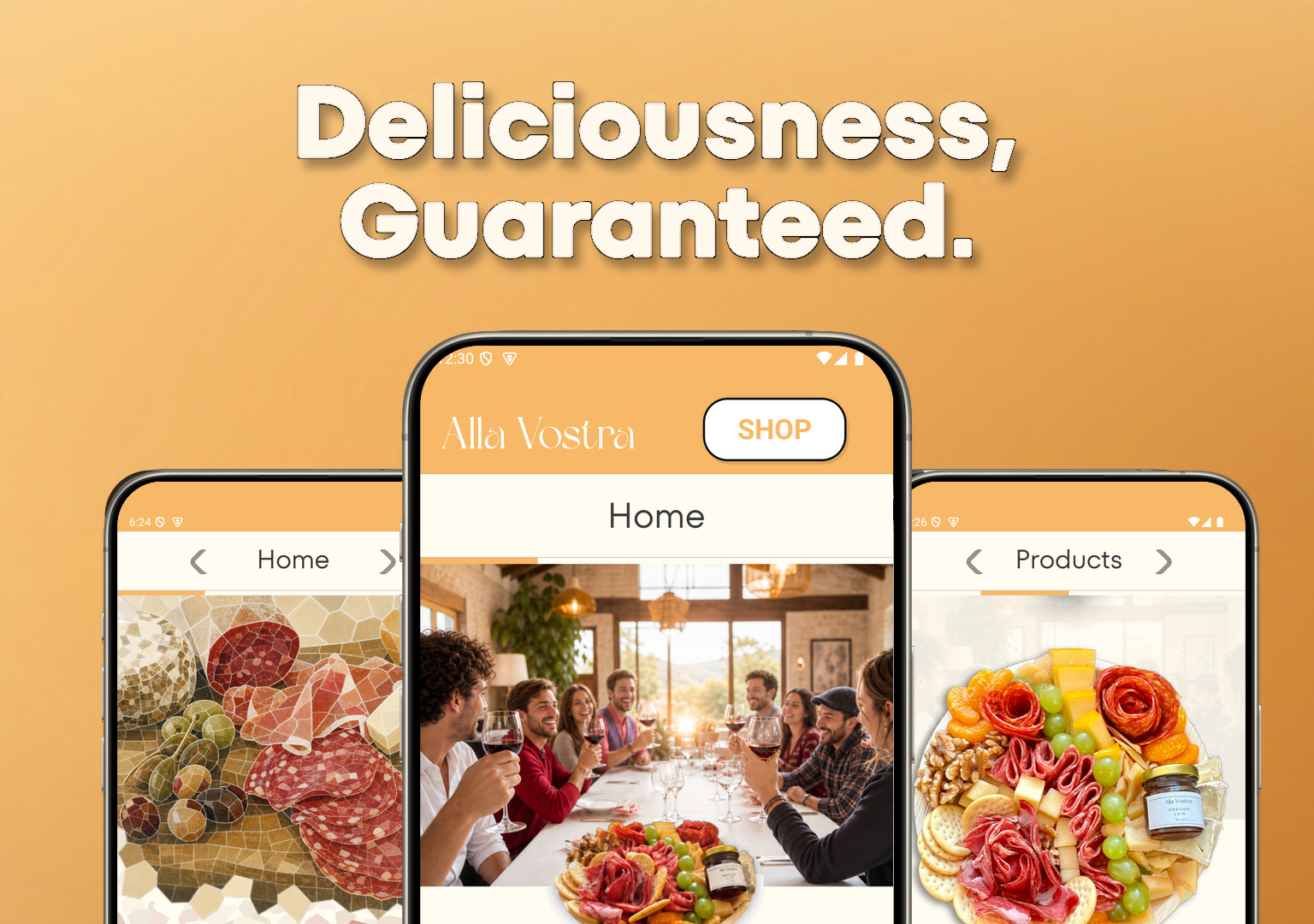


Google Play release
Official listing- Version
- 1.0.3
- Released
- Aug 24, 2026
- Store bundle
- 85.1 MB
- Play download
- Device-specific
- Requires
- Android 7.0+
- Category
- Food & Drink
Interactive Demo
Interactive Demo
A short autoplay walkthrough will show the app in motion, from browsing products to reviewing checkout.
Scope
Scope and Ownership
Node.js and Vercel serverless commerce routes for payment sheet creation, PayPal orders, Stripe webhooks, contact messages, and server-owned order validation.
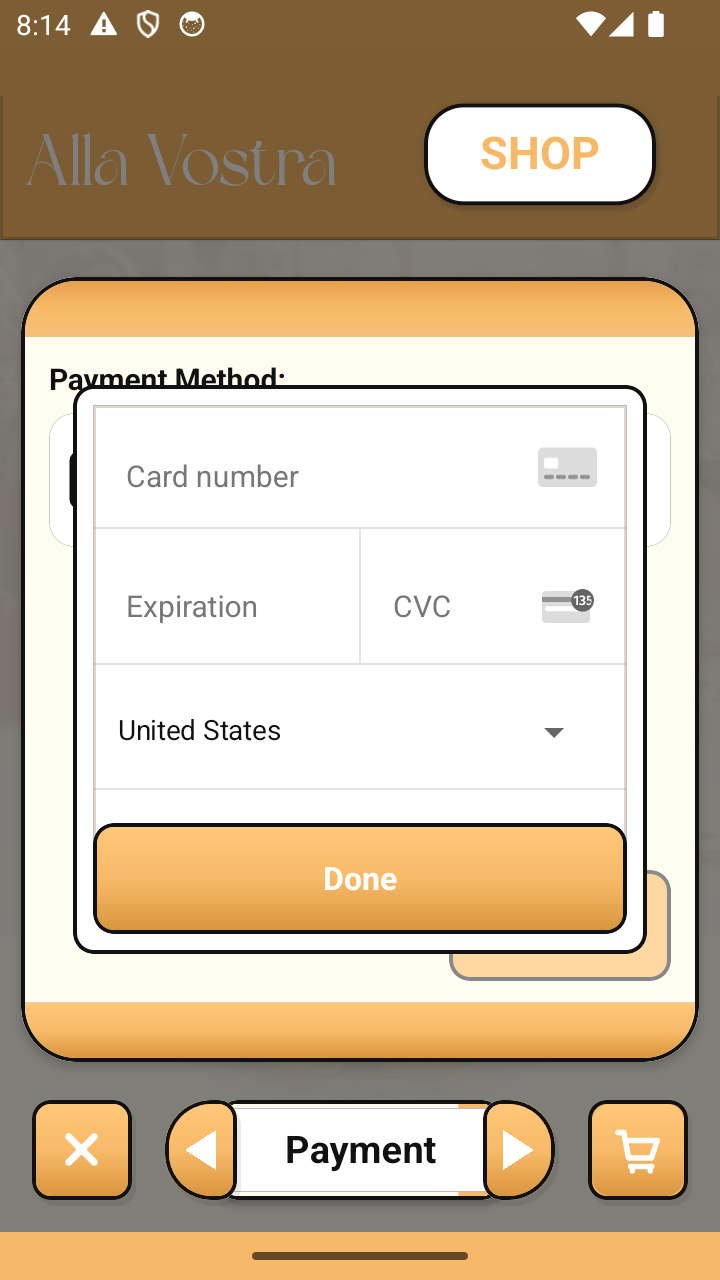
Stripe card checkout, Google Pay, Apple Pay, and PayPal redirect/capture flows with platform-specific availability checks.
Postmark-powered order confirmations after verified payment events plus backend-routed contact form messages with safe reply handling.
Android emulator testing, EAS development/preview/playTest/production profiles, native dev-client setup, TestFlight configuration, and Play Store readiness work.
Product
Core Features
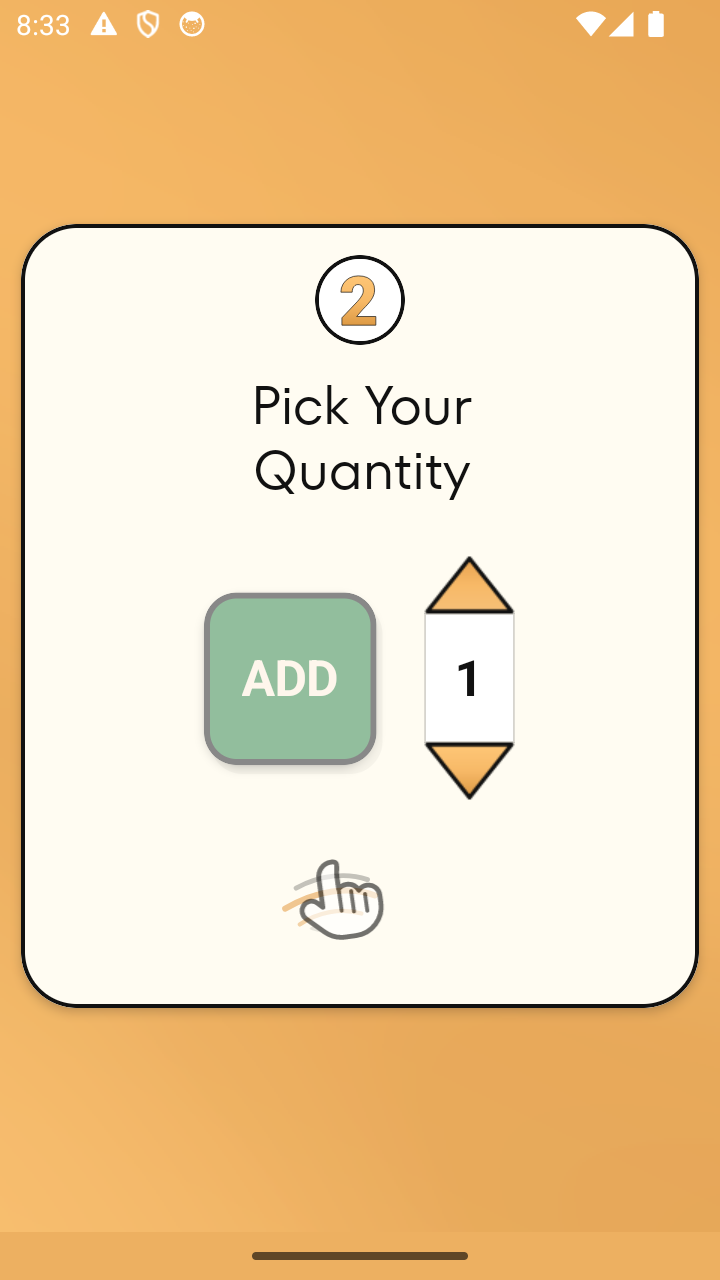
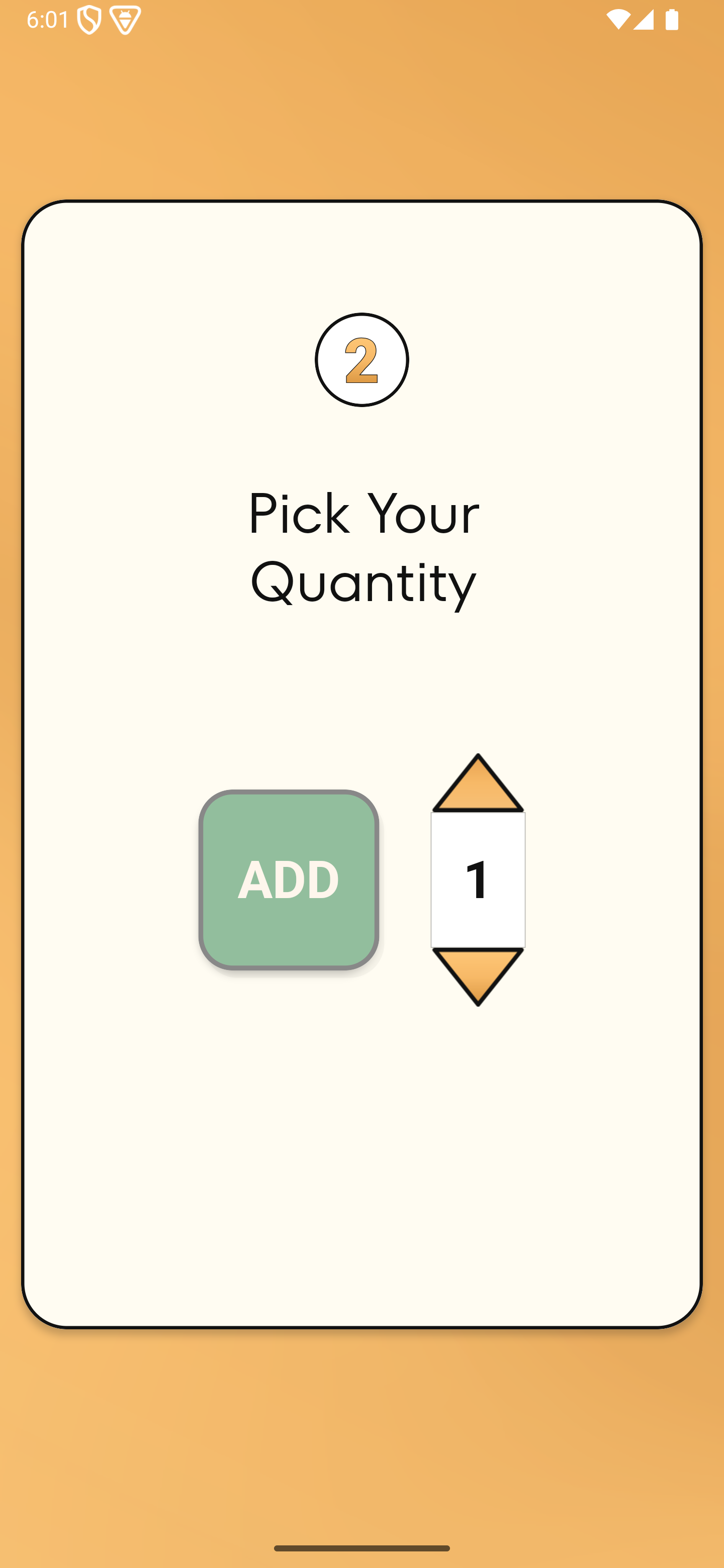
Customers browse curated grazing boards, adjust quantities, and move selections into a real checkout path.
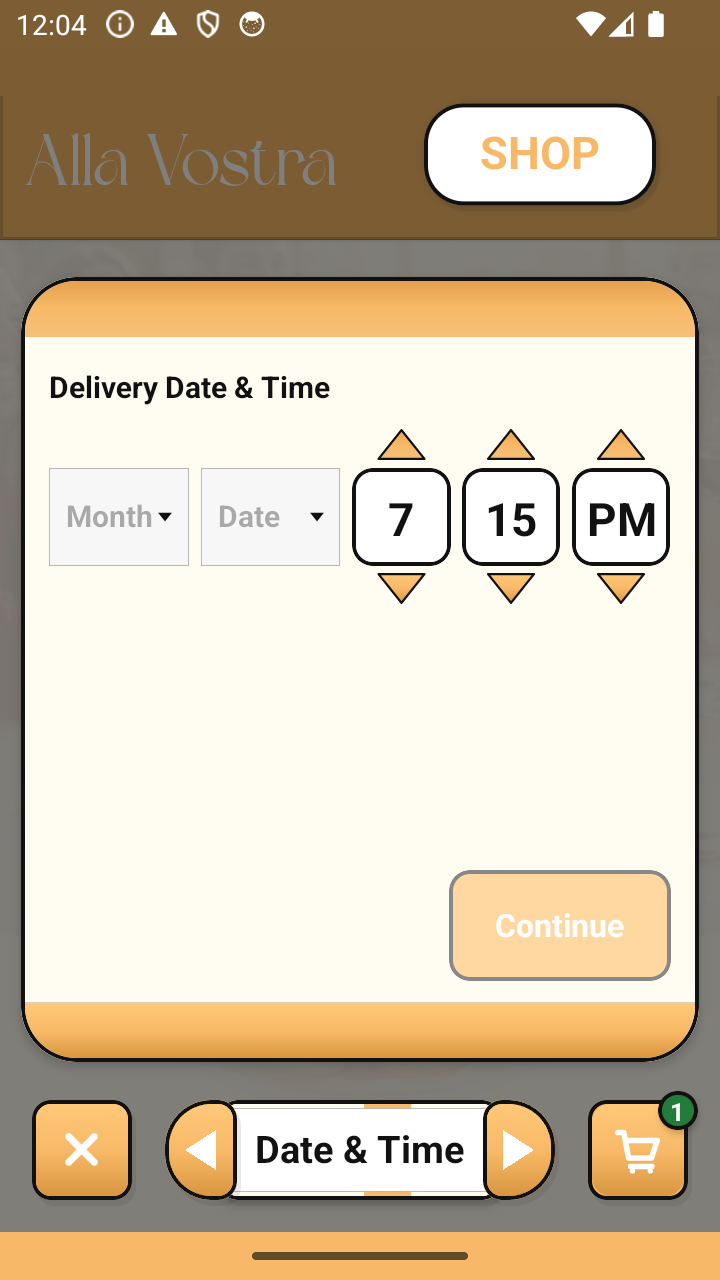
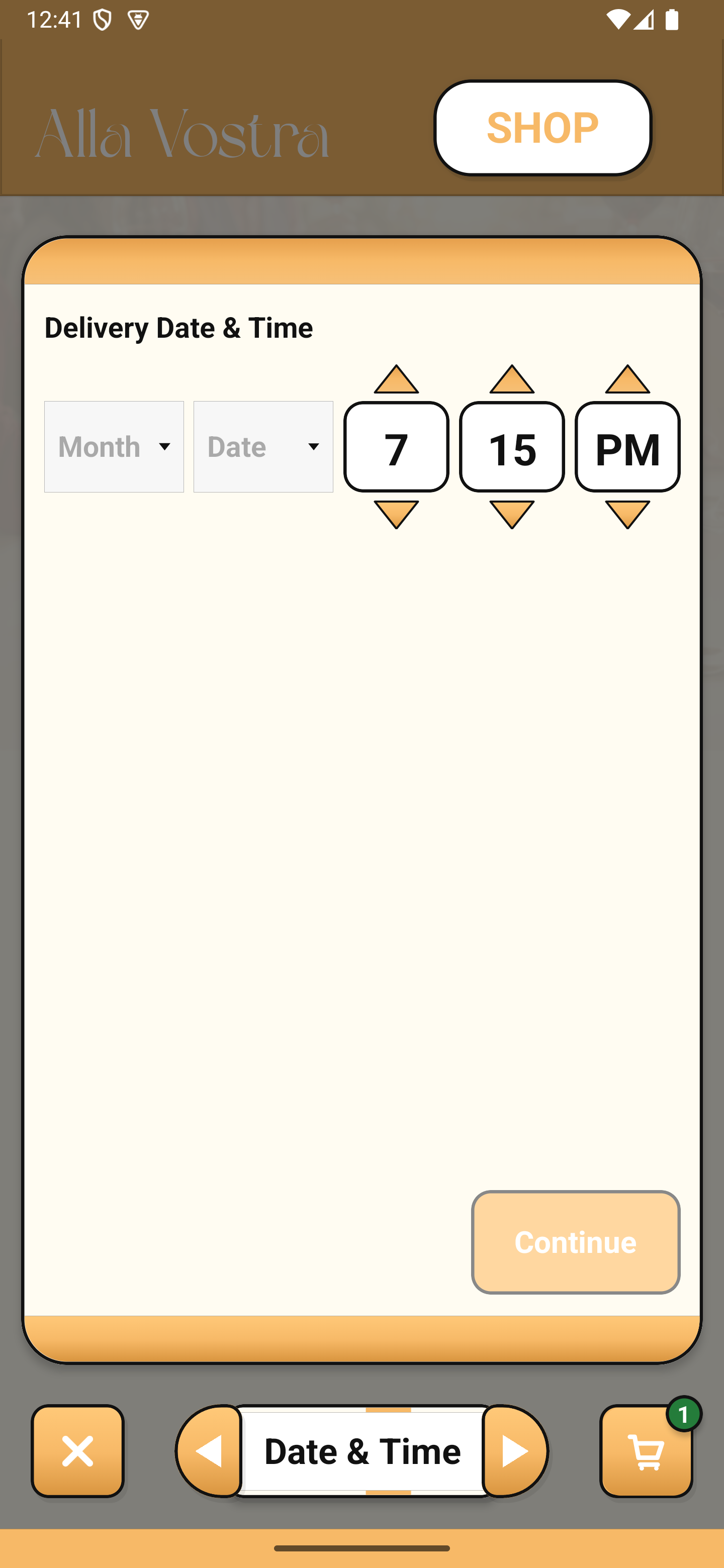
Recipient details, contact info, delivery date/time, and Florida service-area checks keep ordering tied to fulfillment.
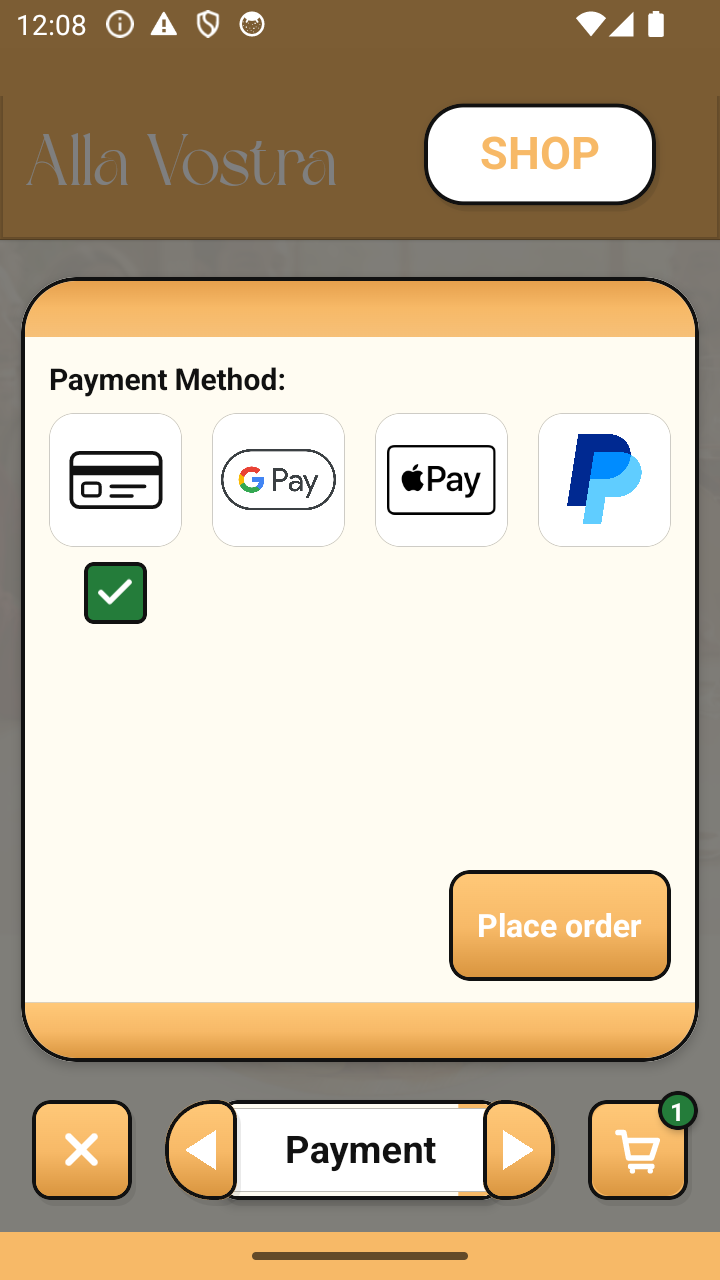
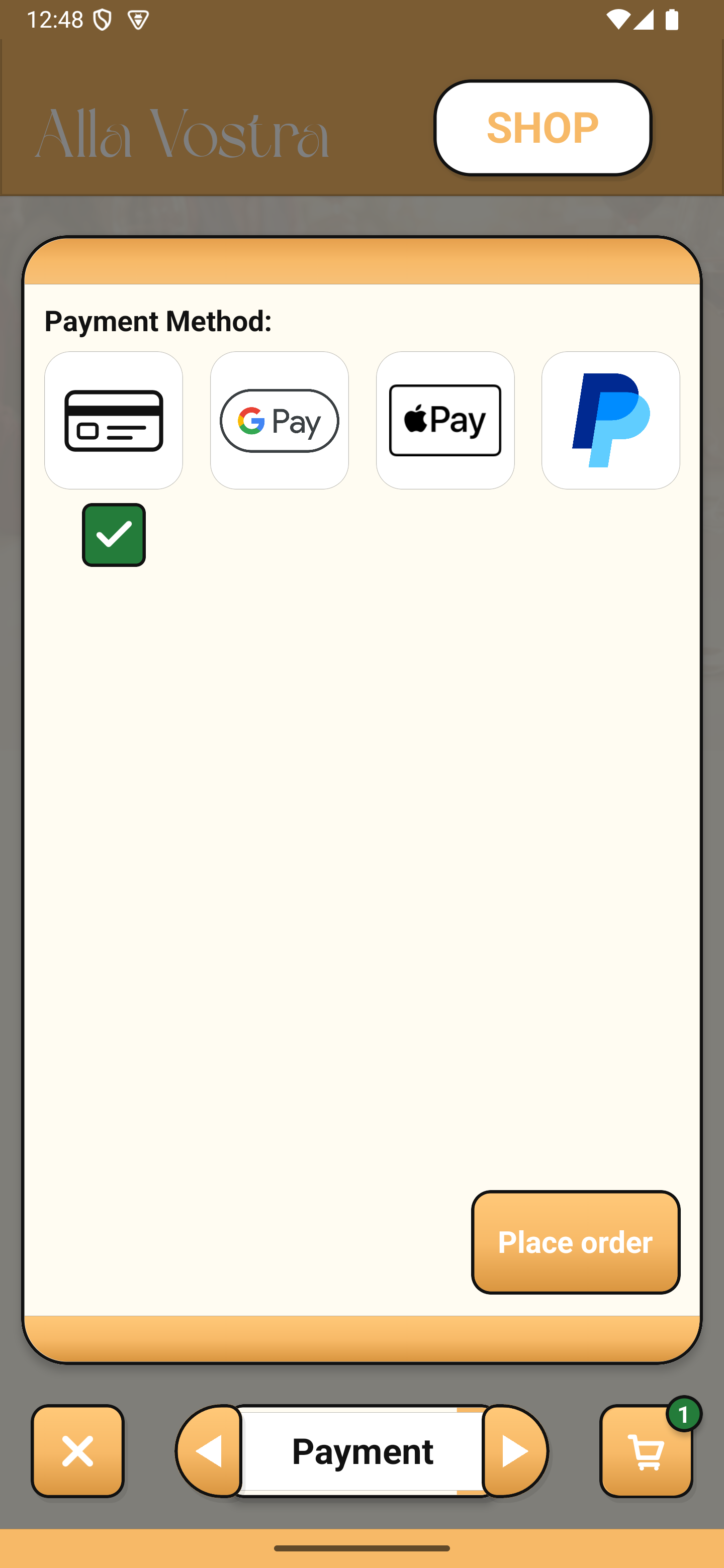
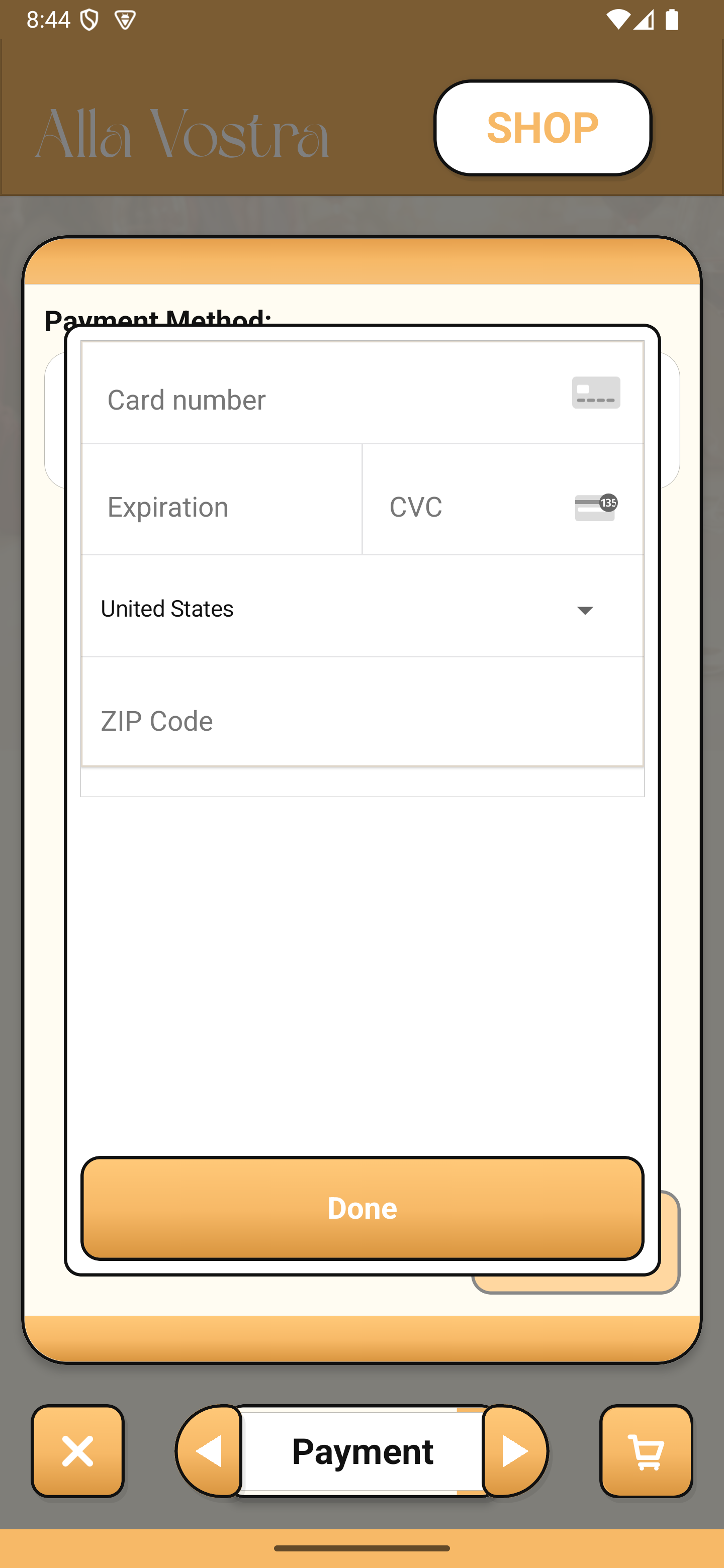
Card, Google Pay, Apple Pay, and PayPal options are selected from the same checkout experience.
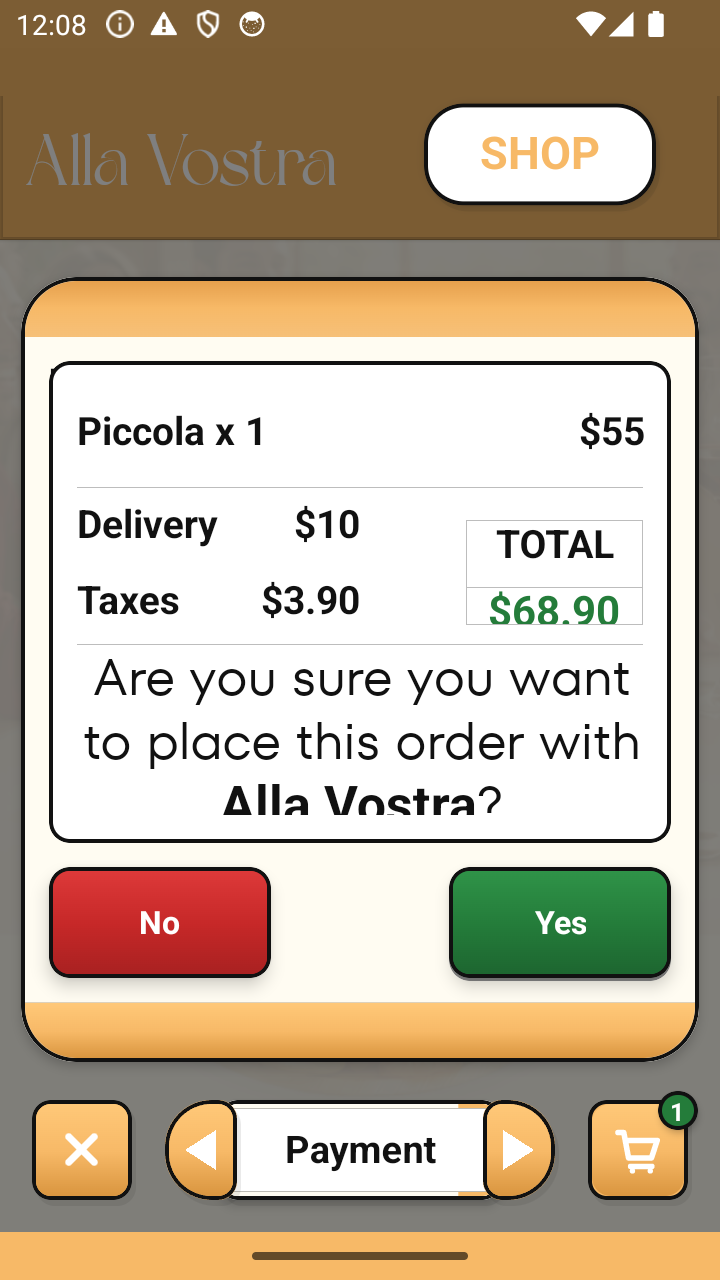
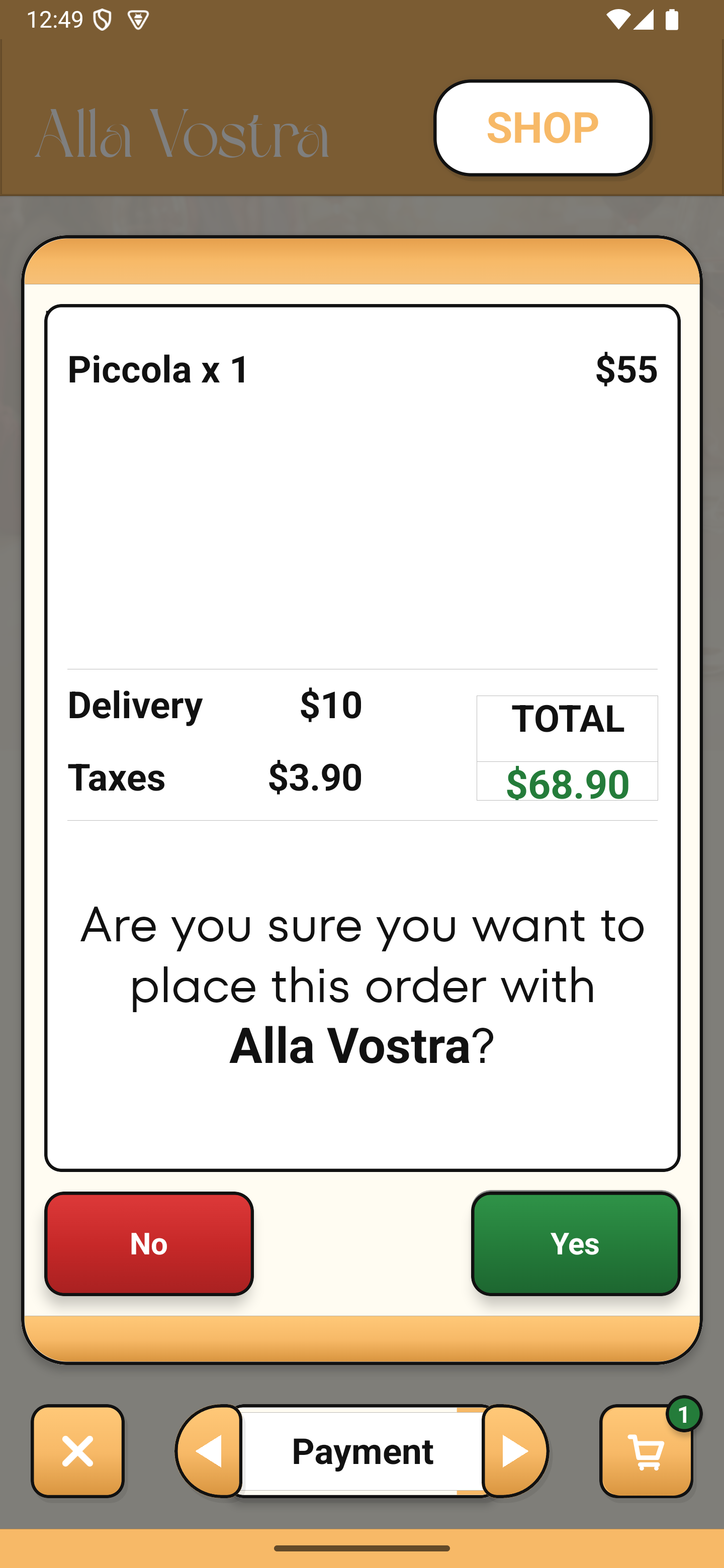
The server owns catalog prices, delivery fees, tax, quantity limits, and delivery validation before payment begins.
Purchase confirmations and contact form inquiries route through backend Postmark workflows.
Versioned Android builds, store assets, native env flags, and EAS profiles support testing through release.
UX Product Flow
UX Product Flow
UX Product Flow
Tutorial
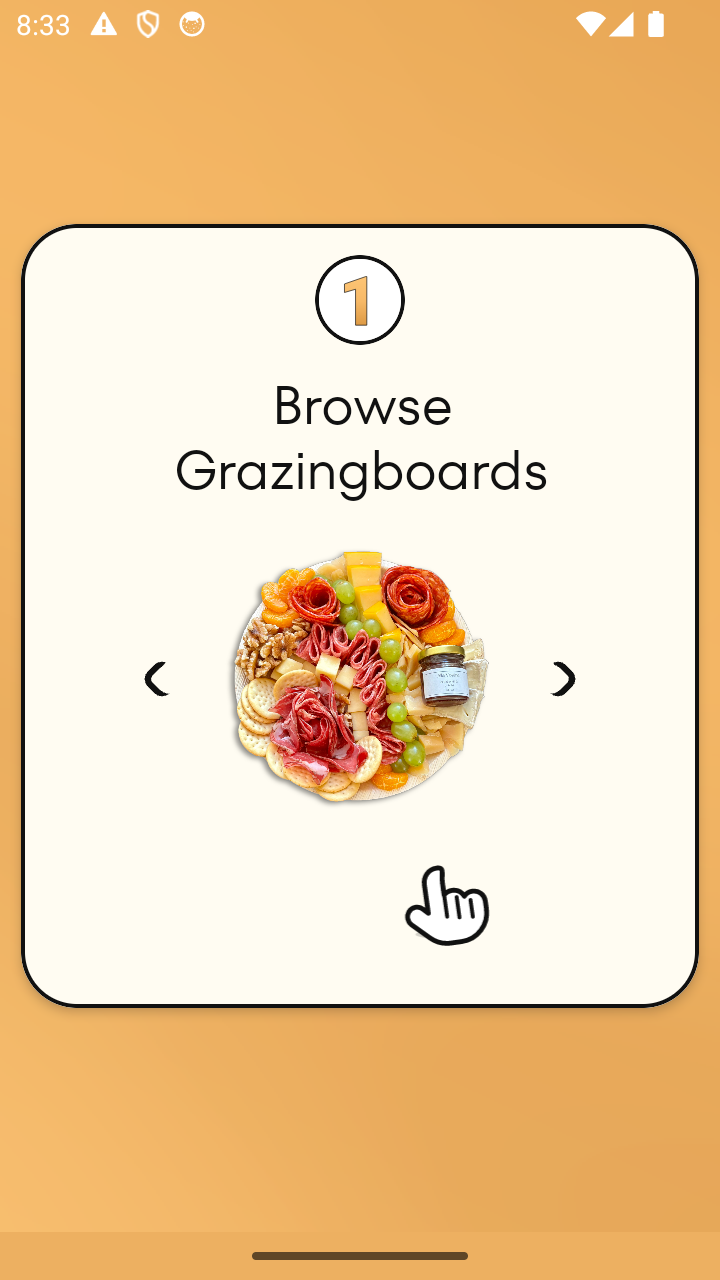
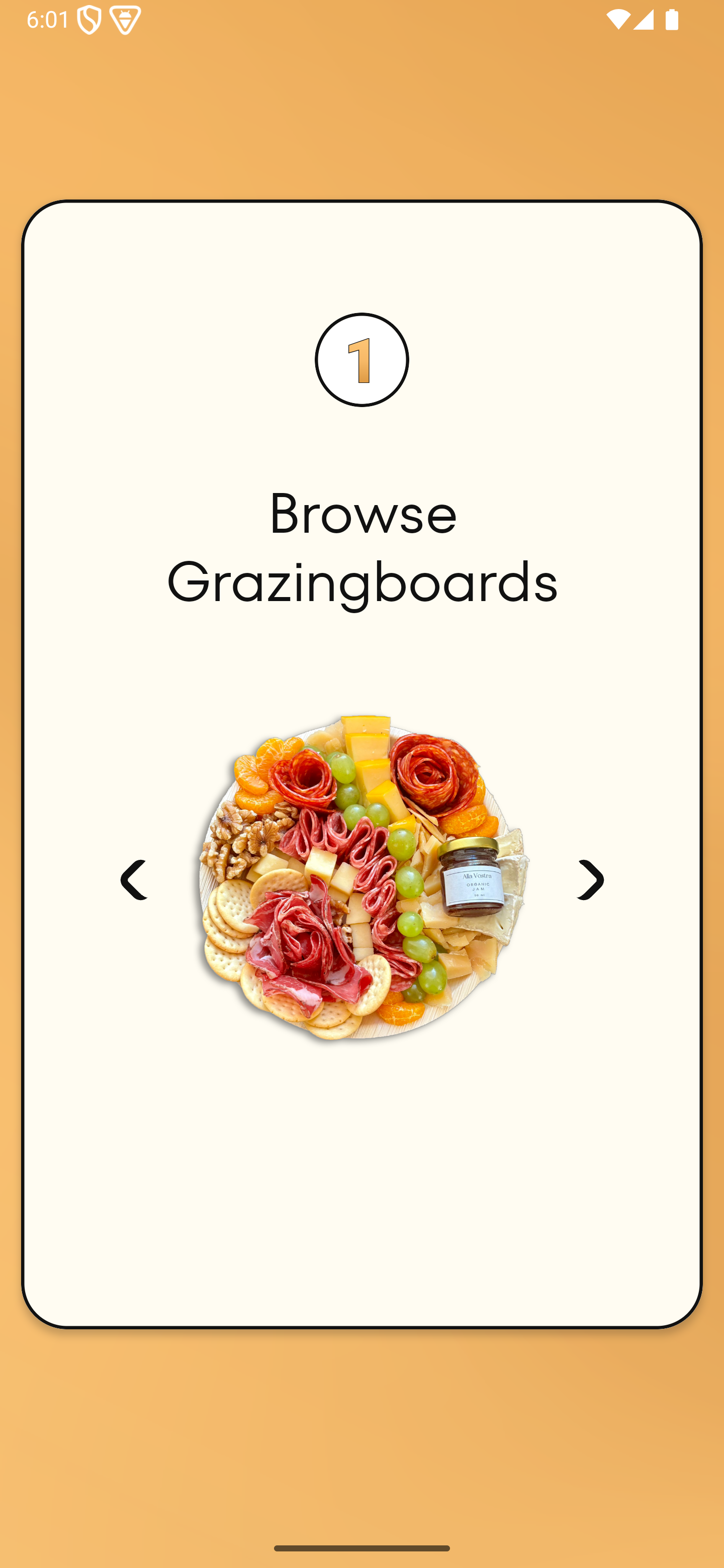
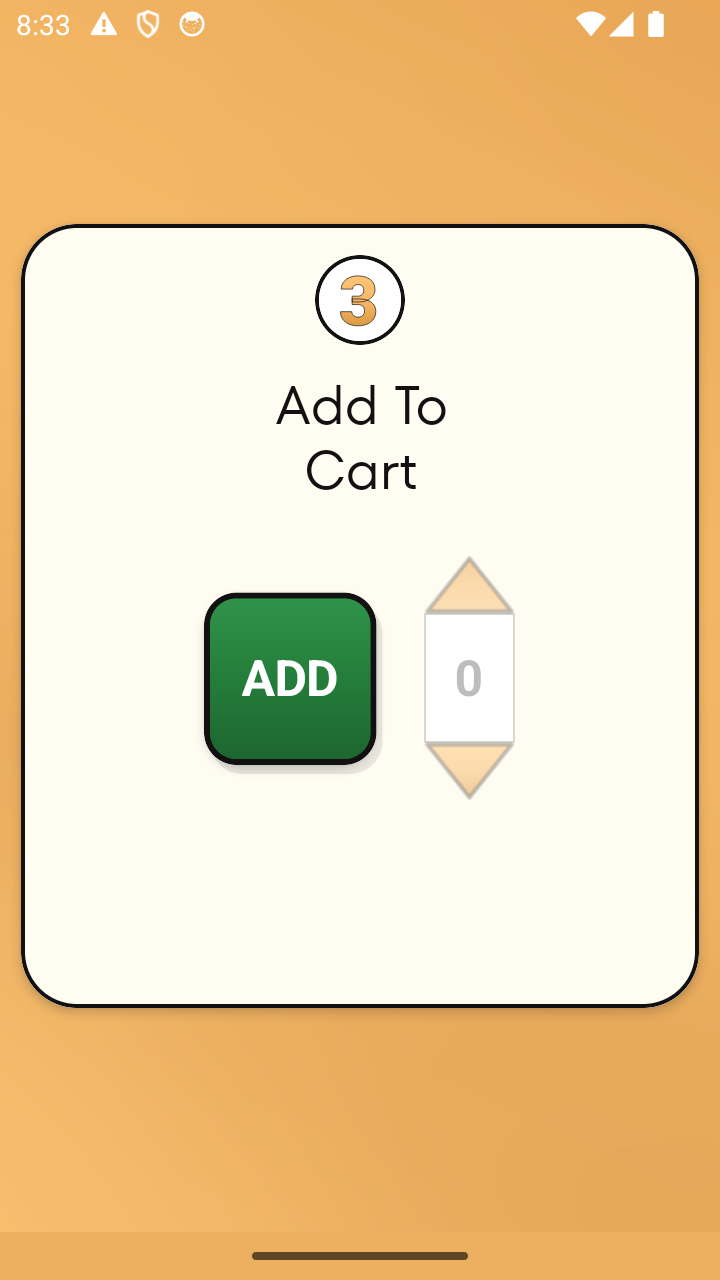
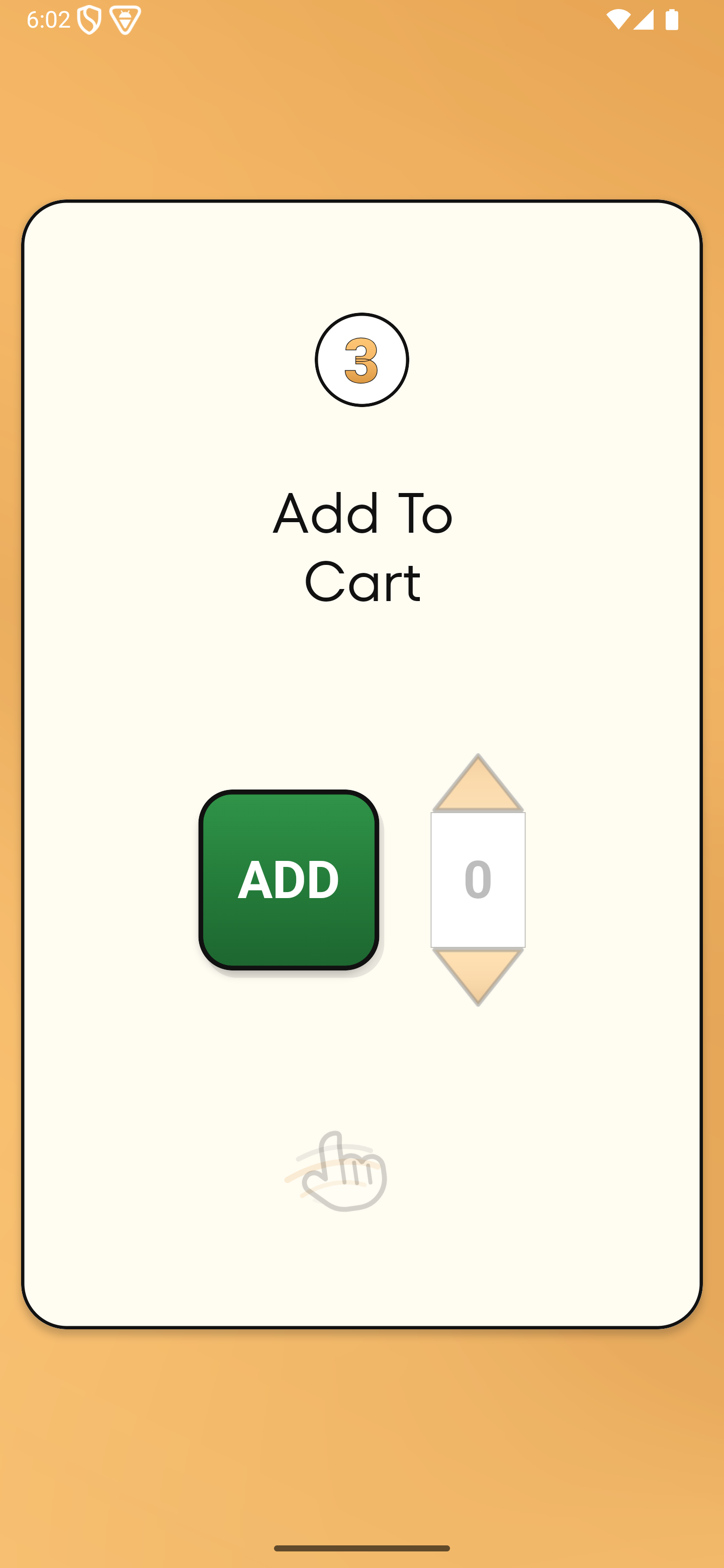
A guided walkthrough introduces the core experience before ordering begins.
Browse Grazingboards
Pick Your Quantity
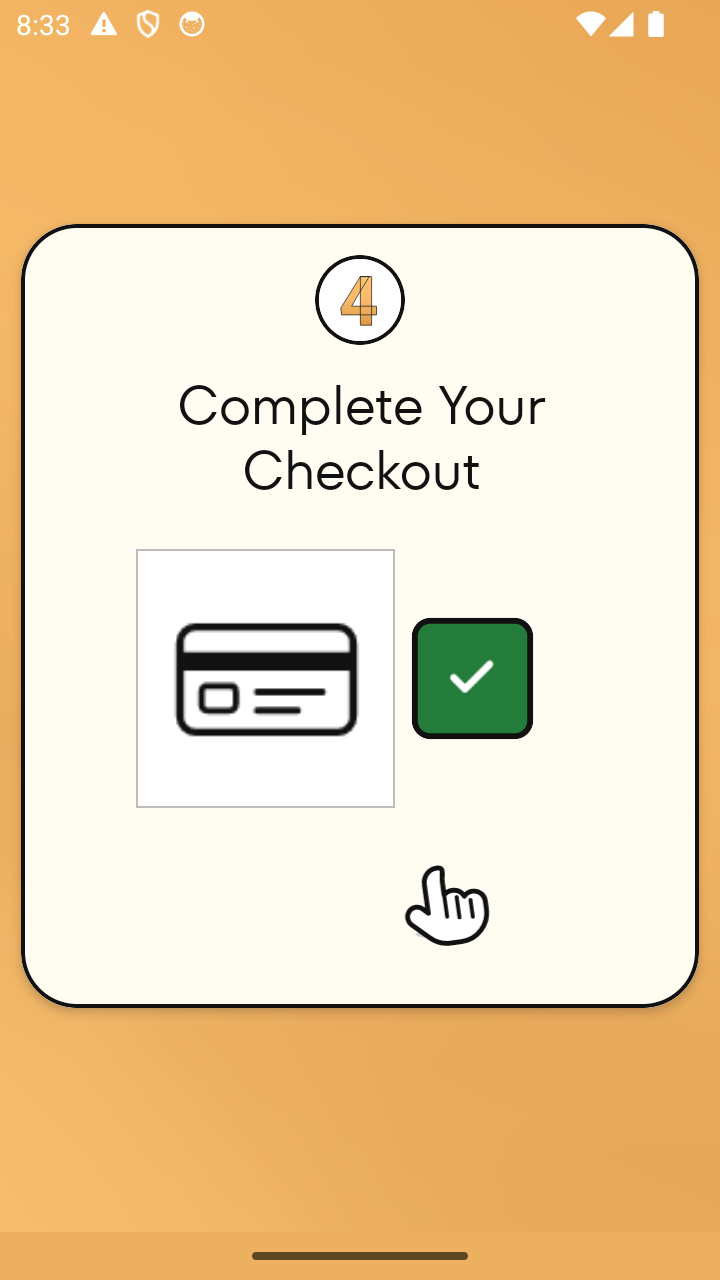
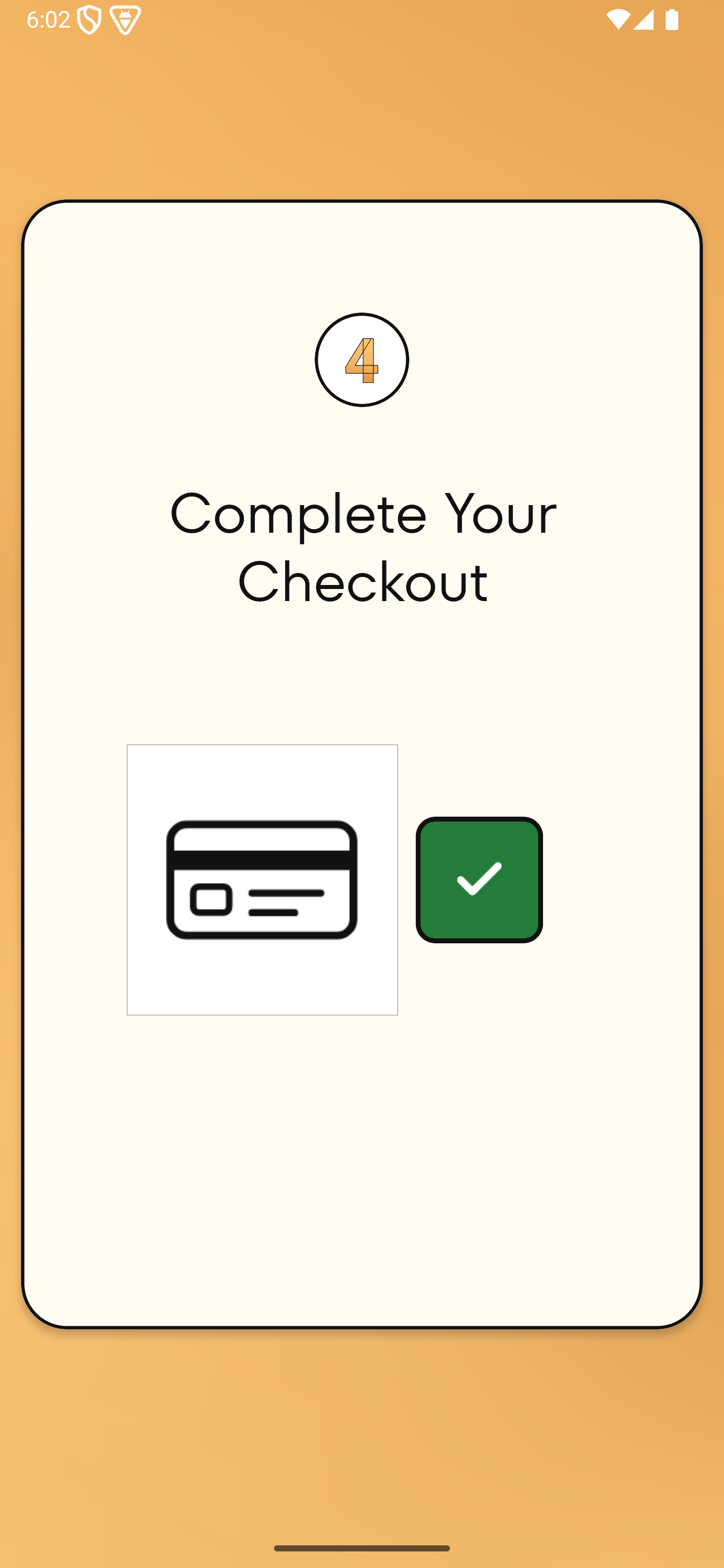
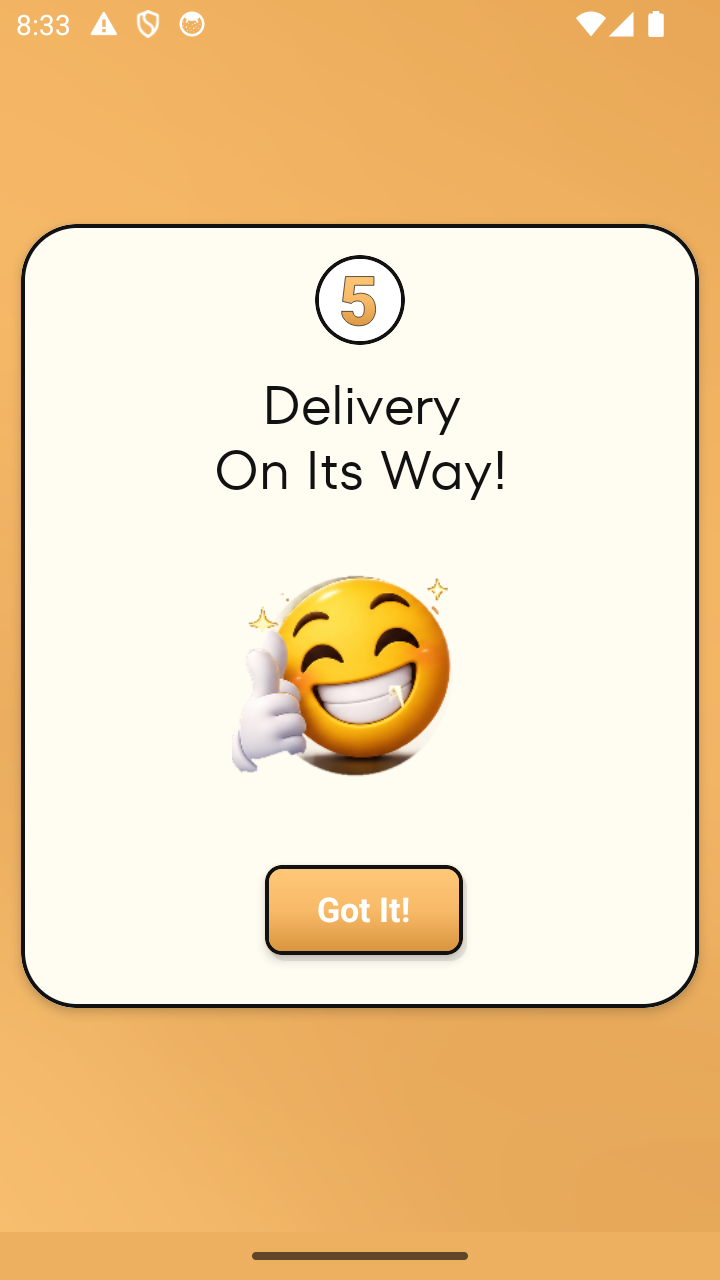
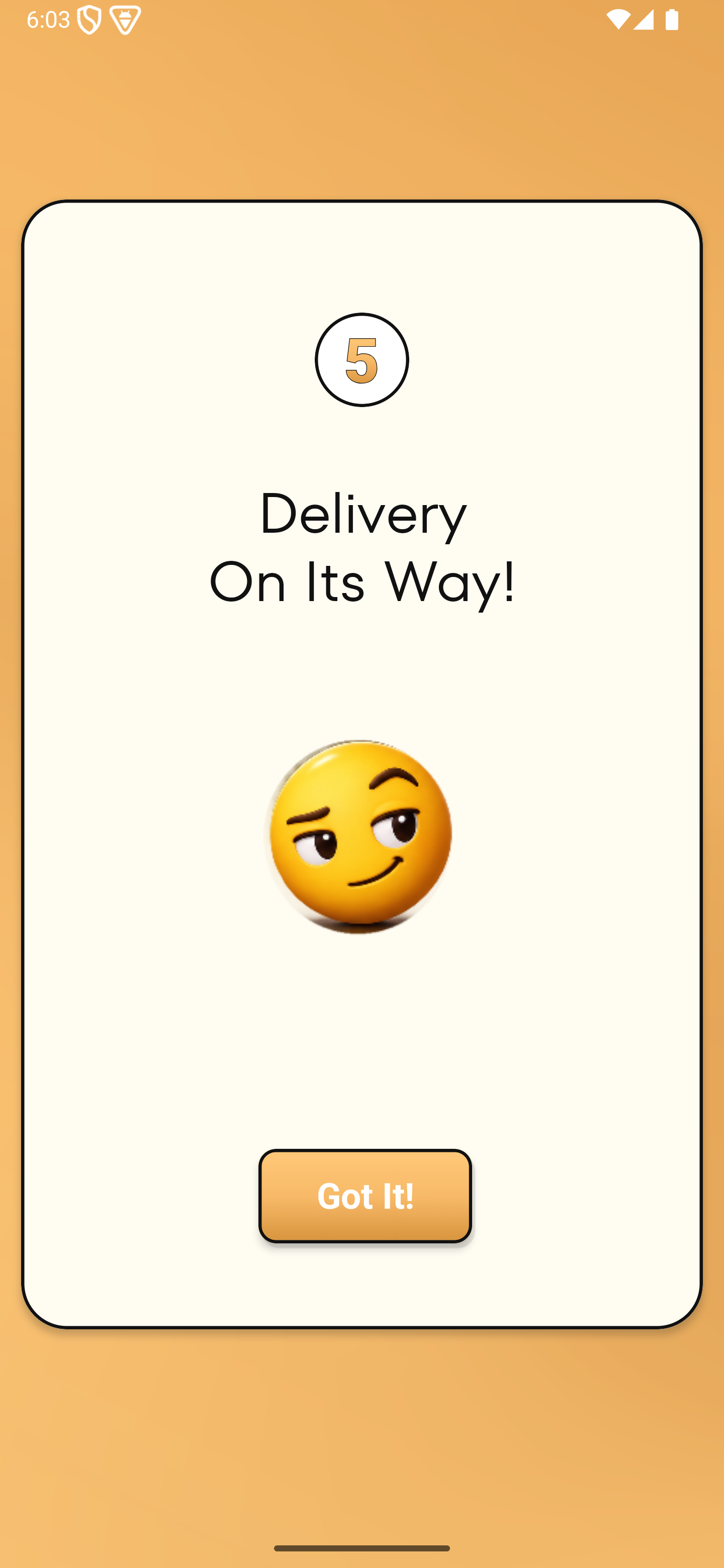
UX Product Flow
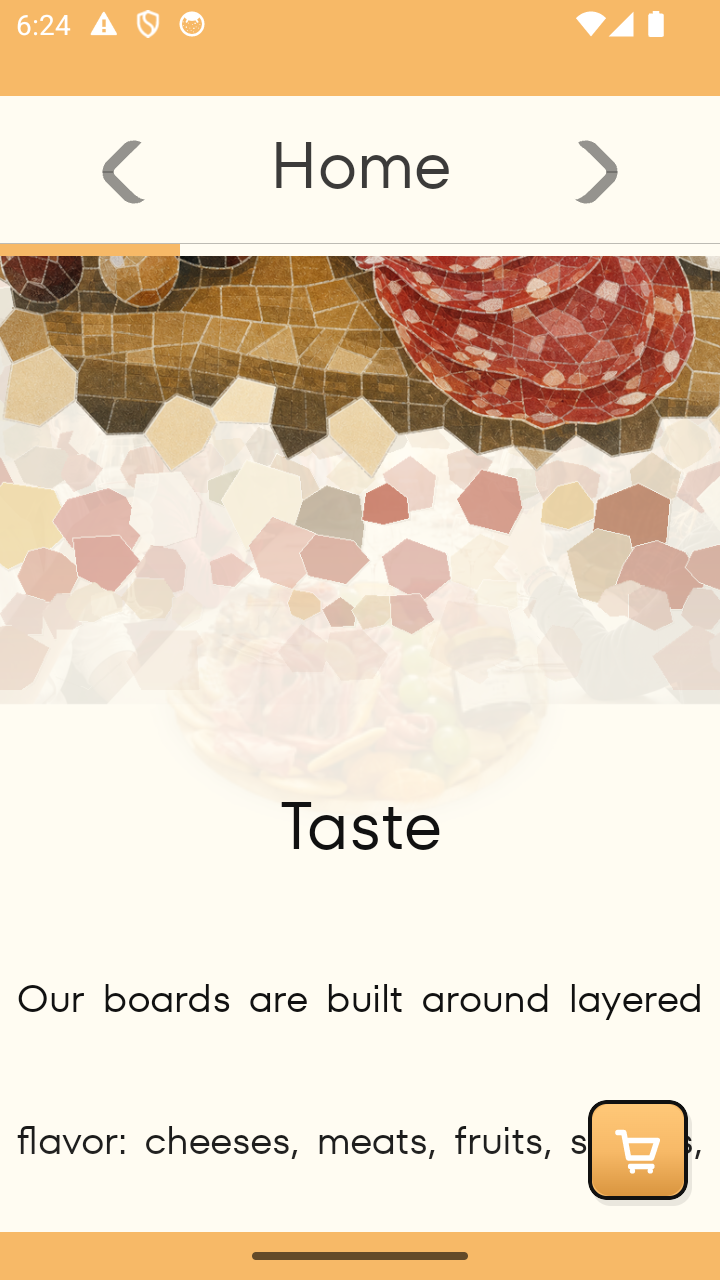
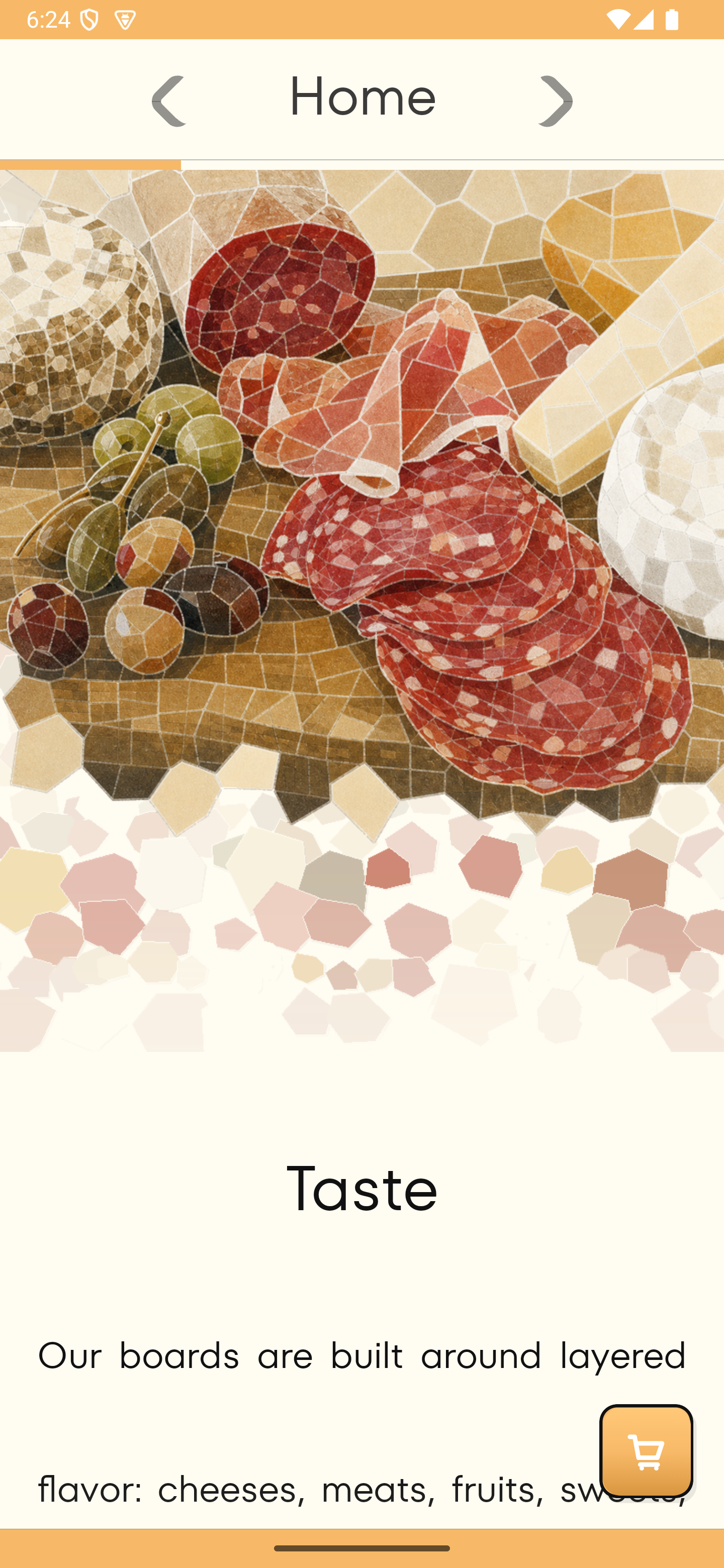
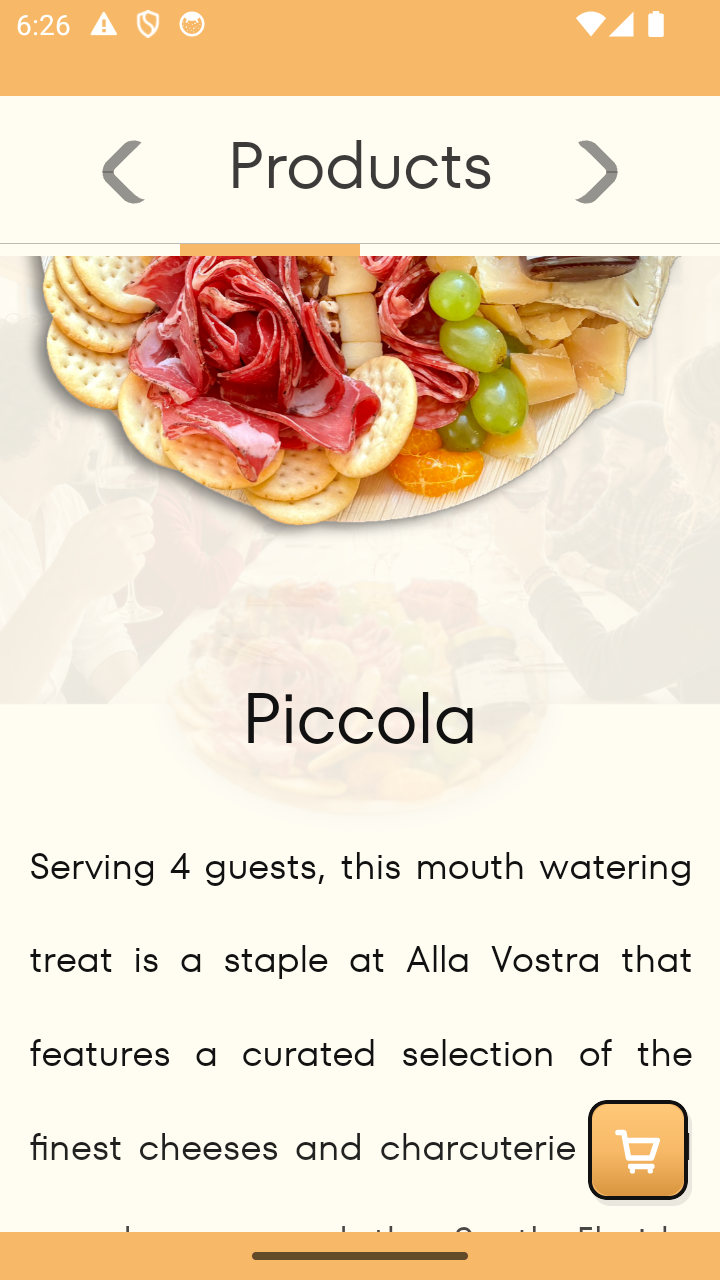
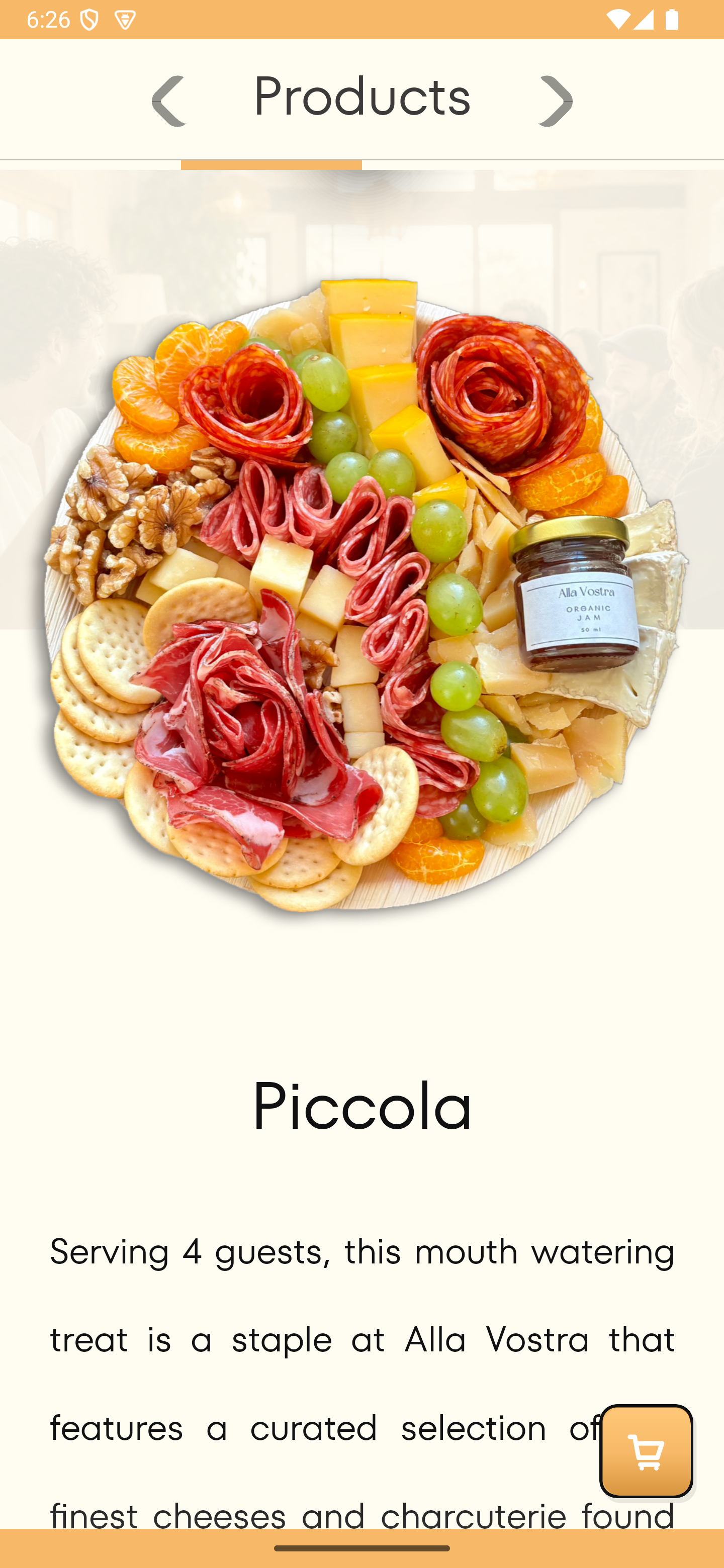
Browse
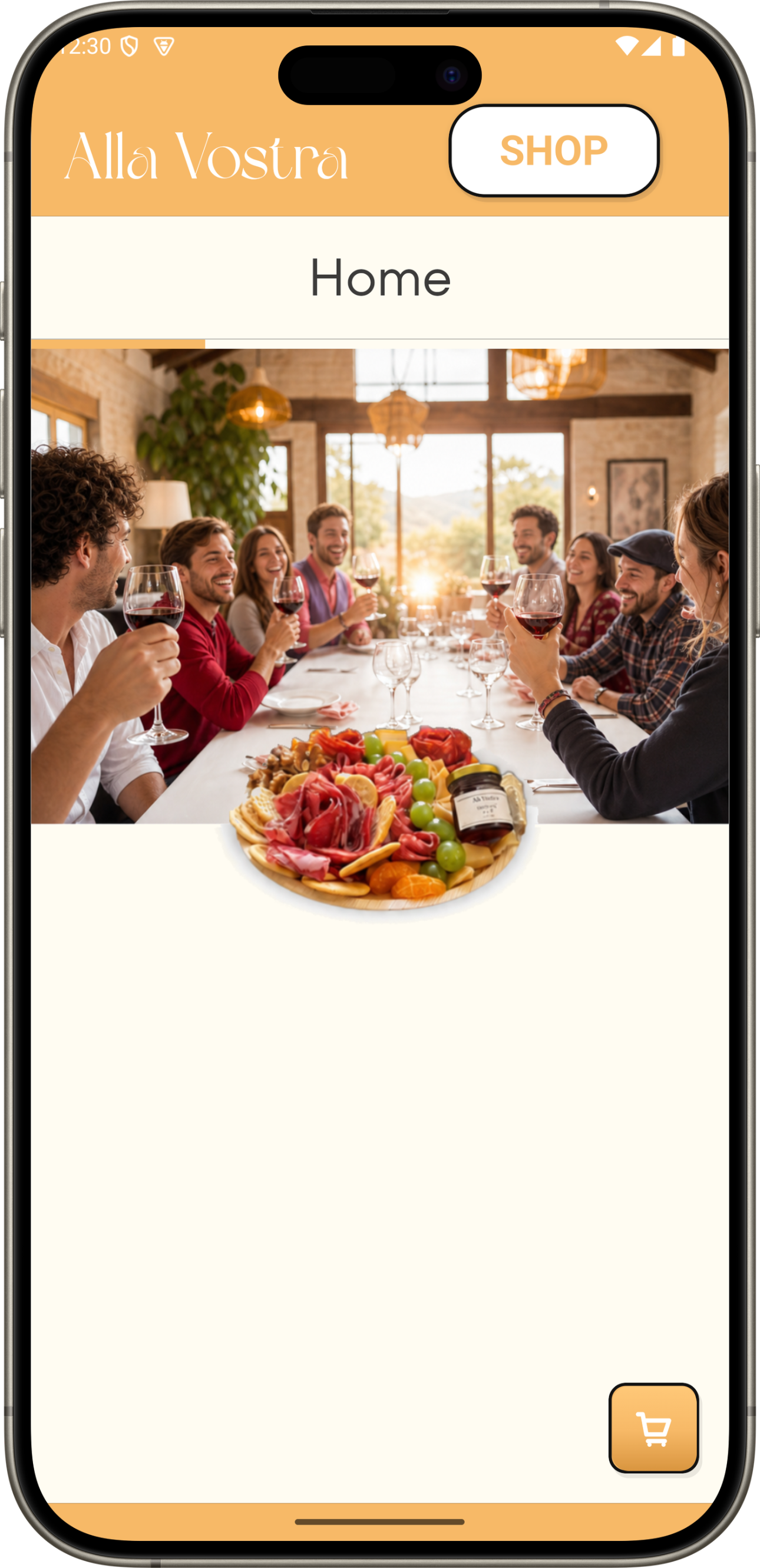
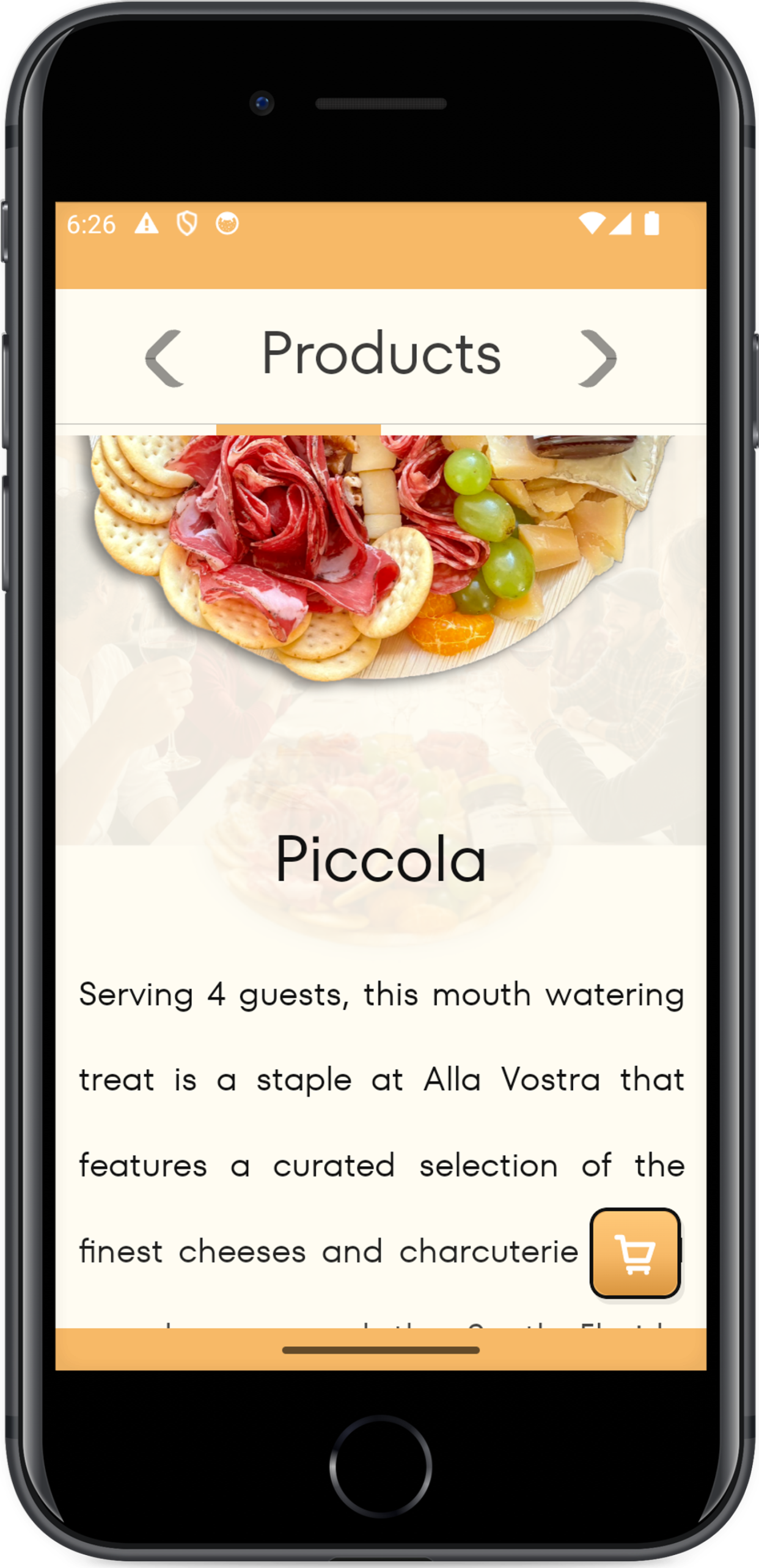
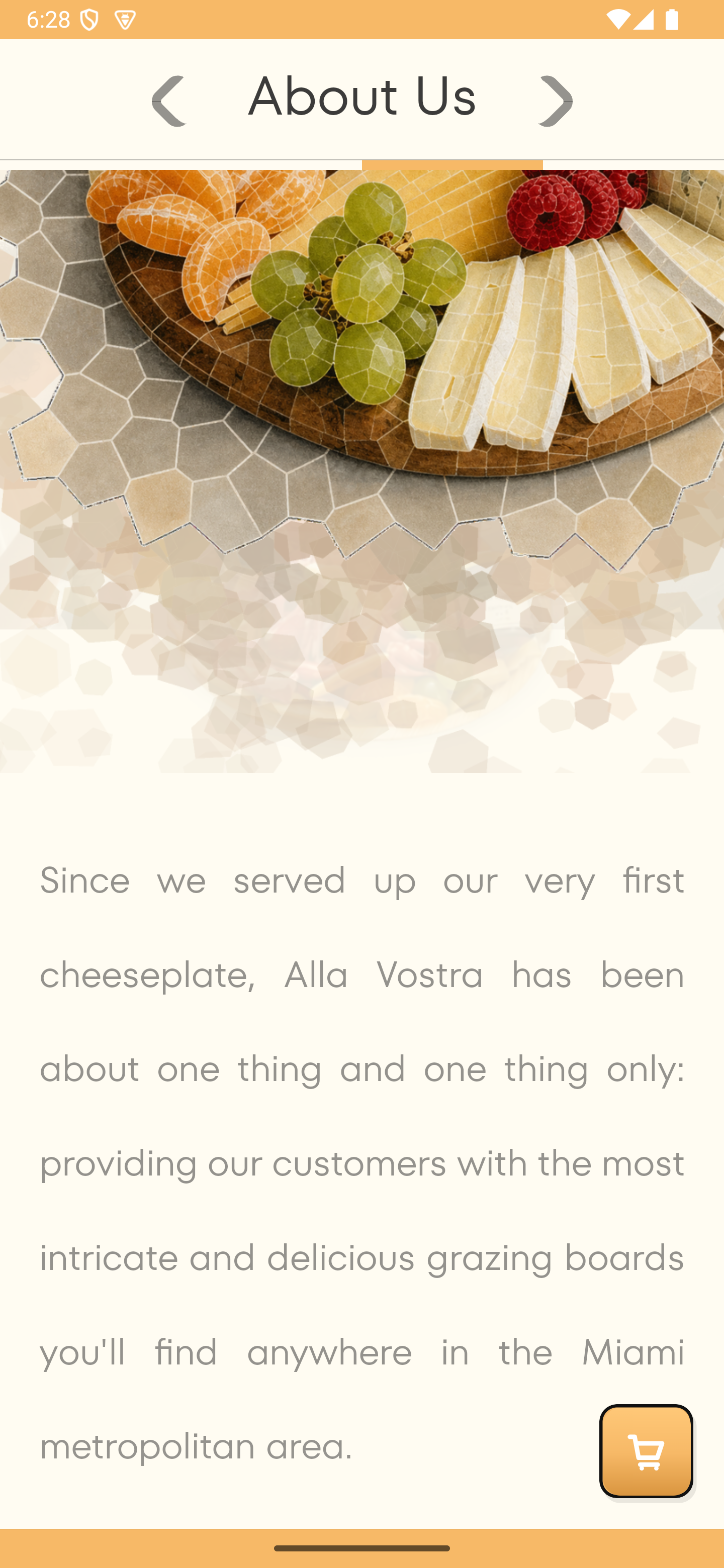
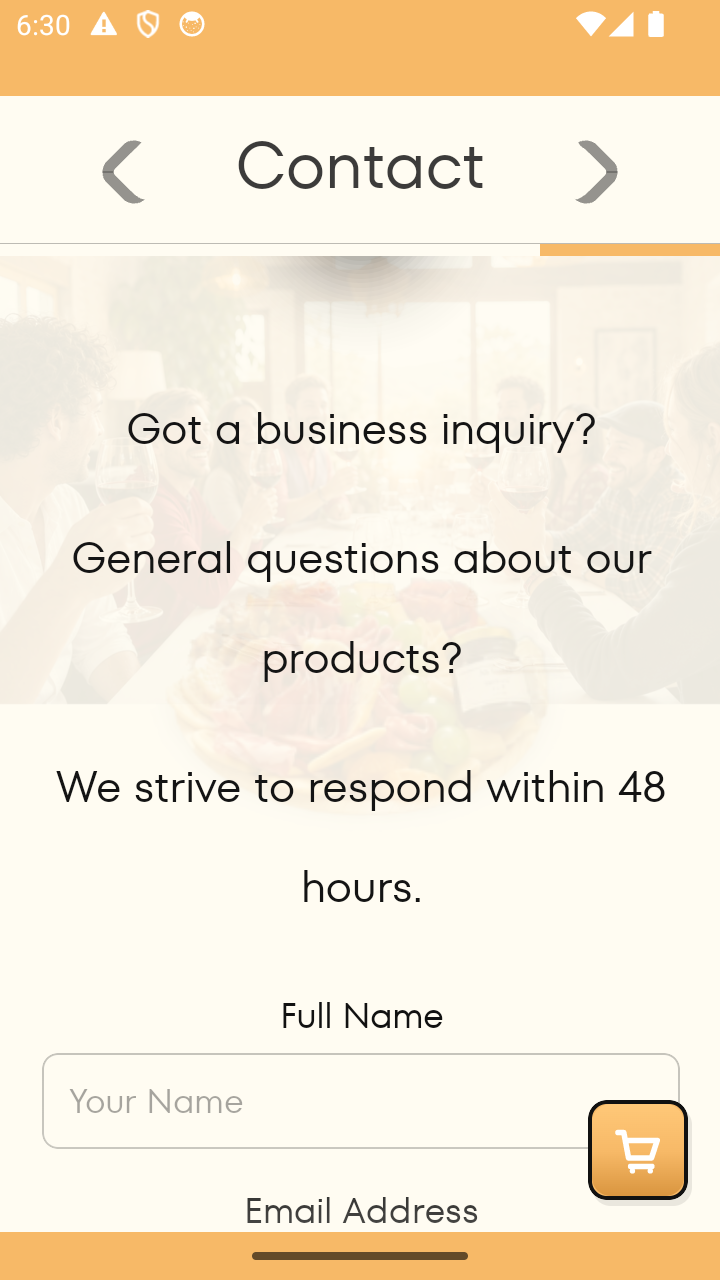
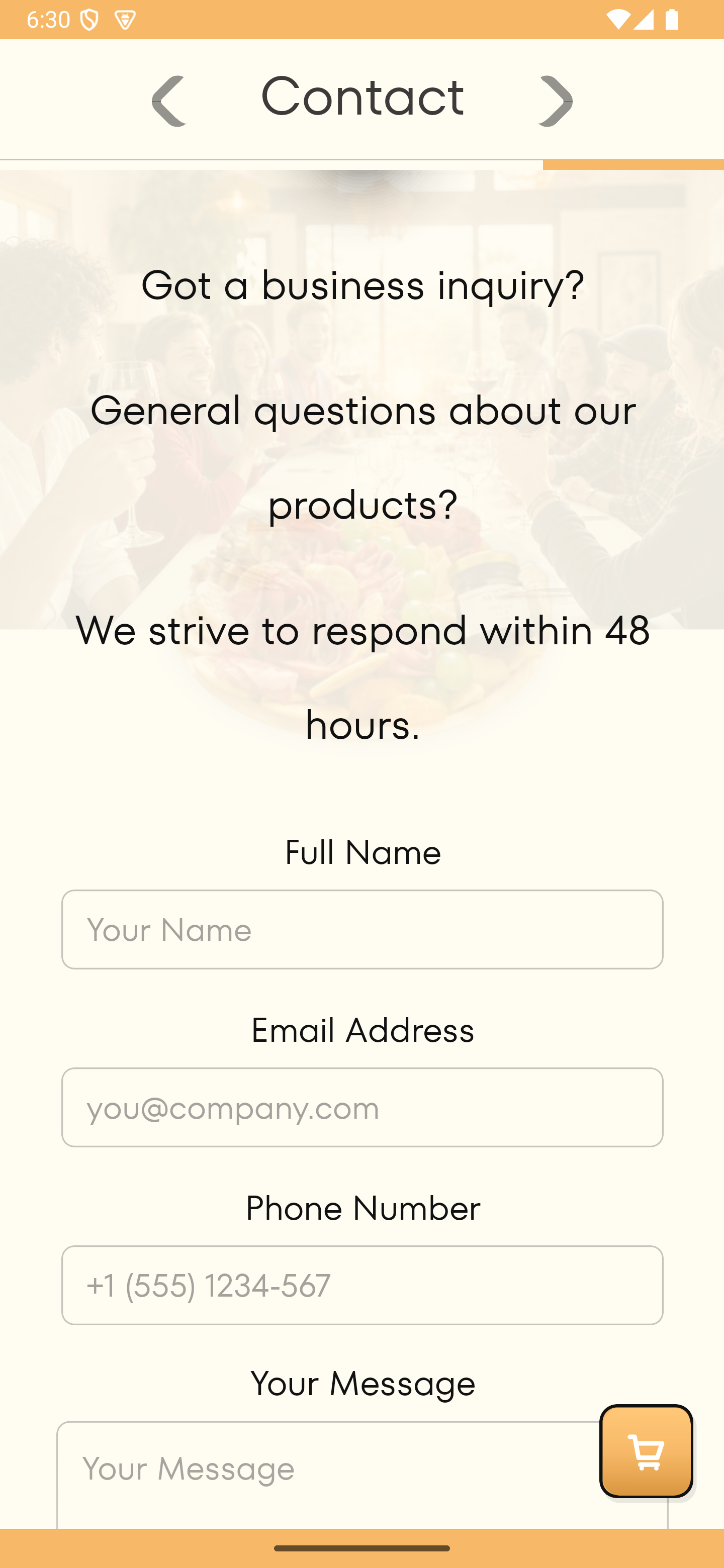
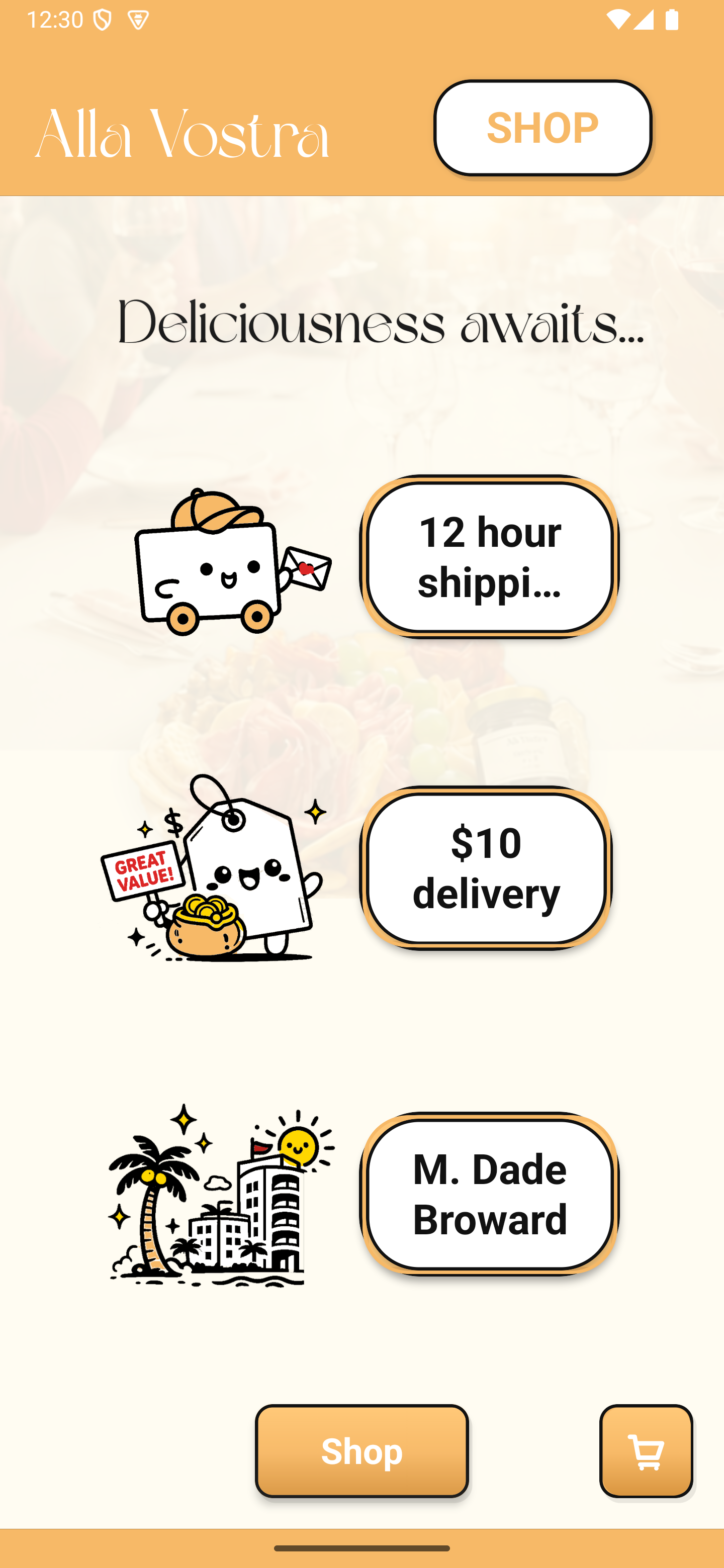
Customers explore product selection, the brand philosophy, and have the option to contact the business owner directly with questions or comments.
Home Screen
Products Screen

UX Product Flow
SHOP
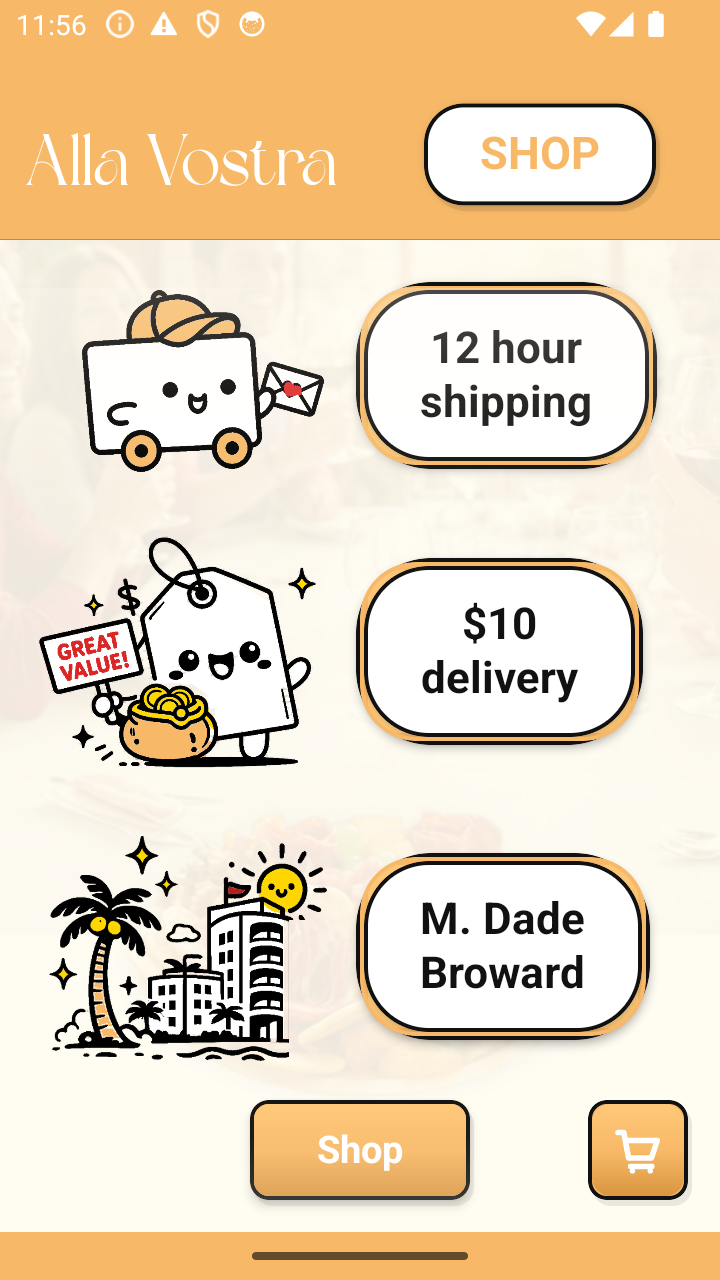
The shop turns browsing intent into focused product discovery and selection.
Shop Screen
UX Product Flow
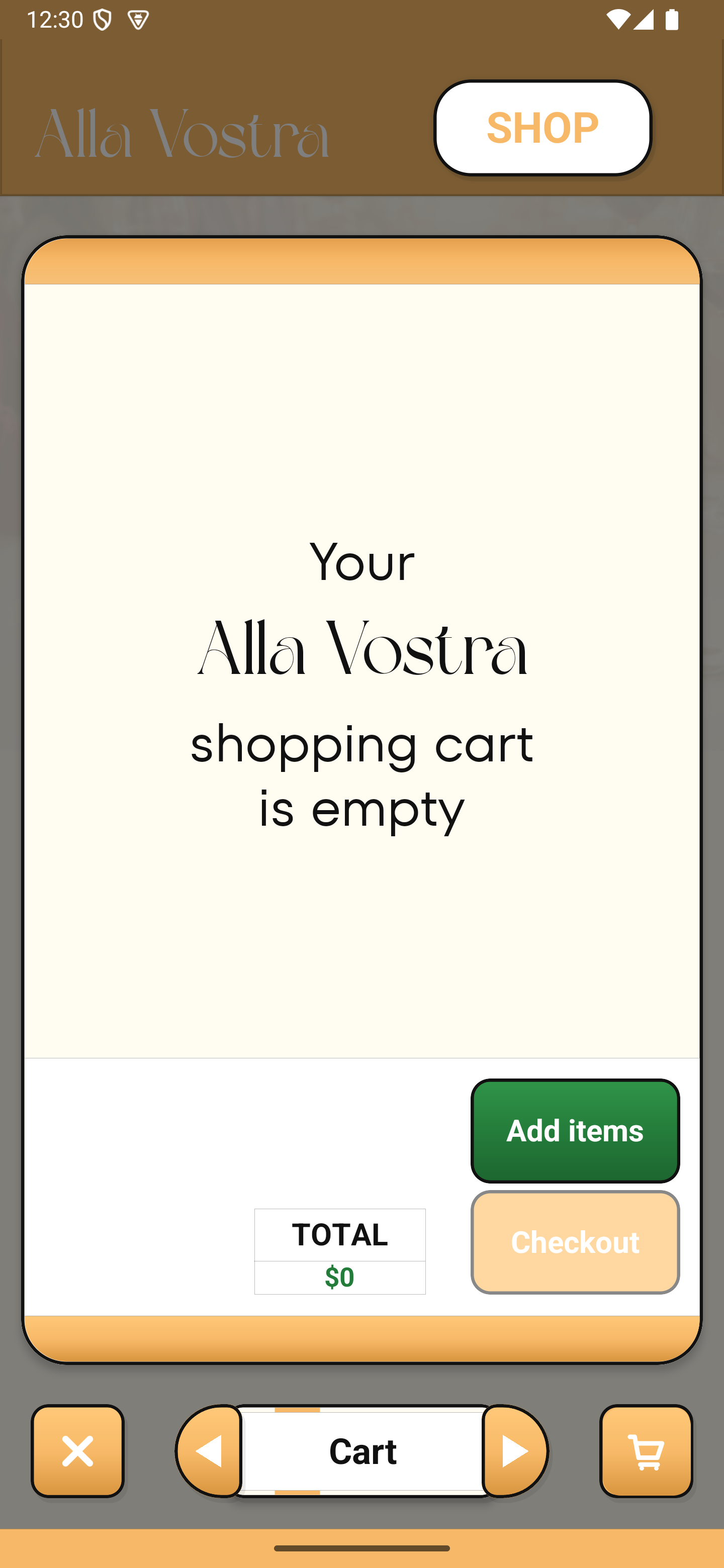
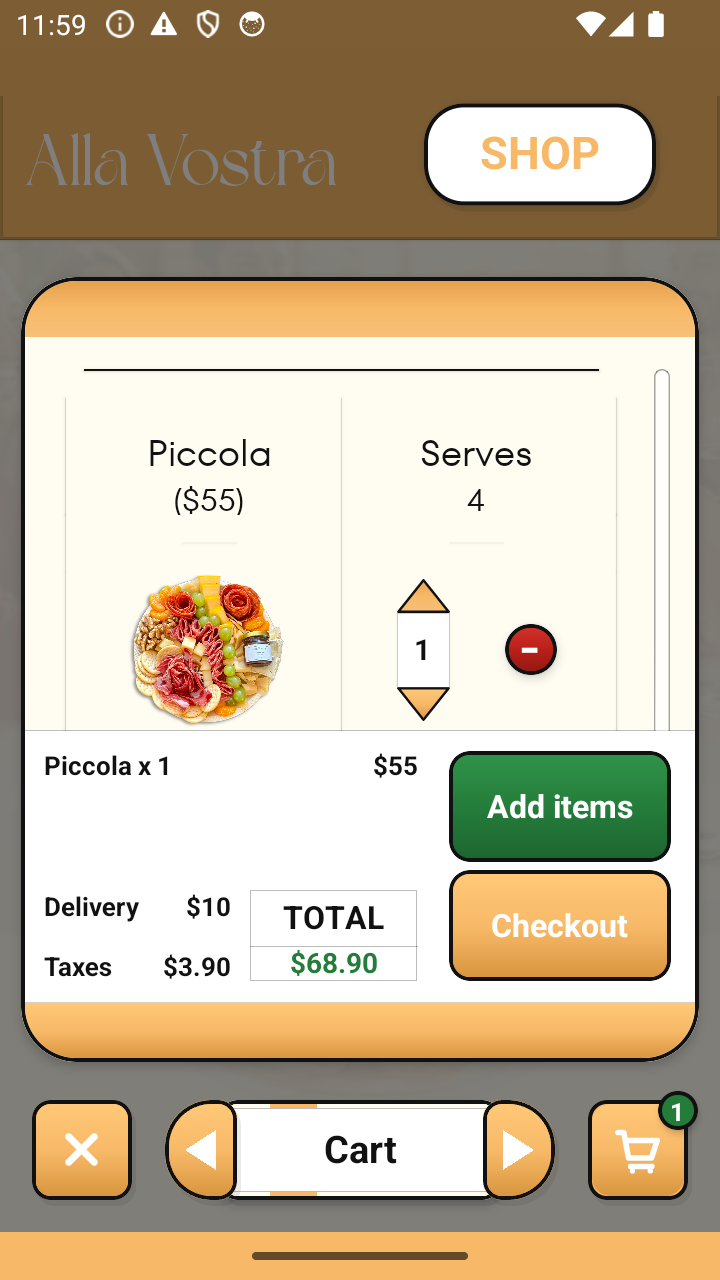
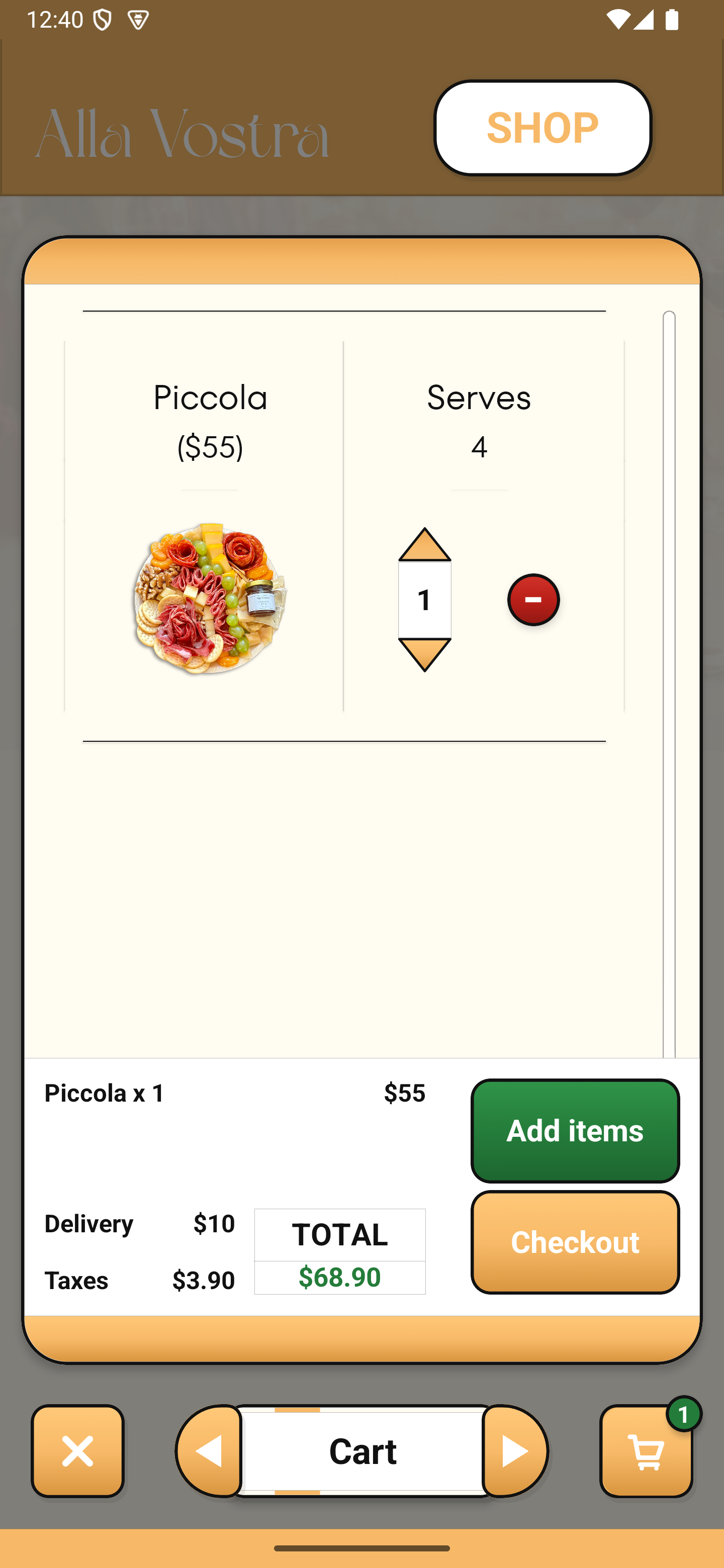
Cart
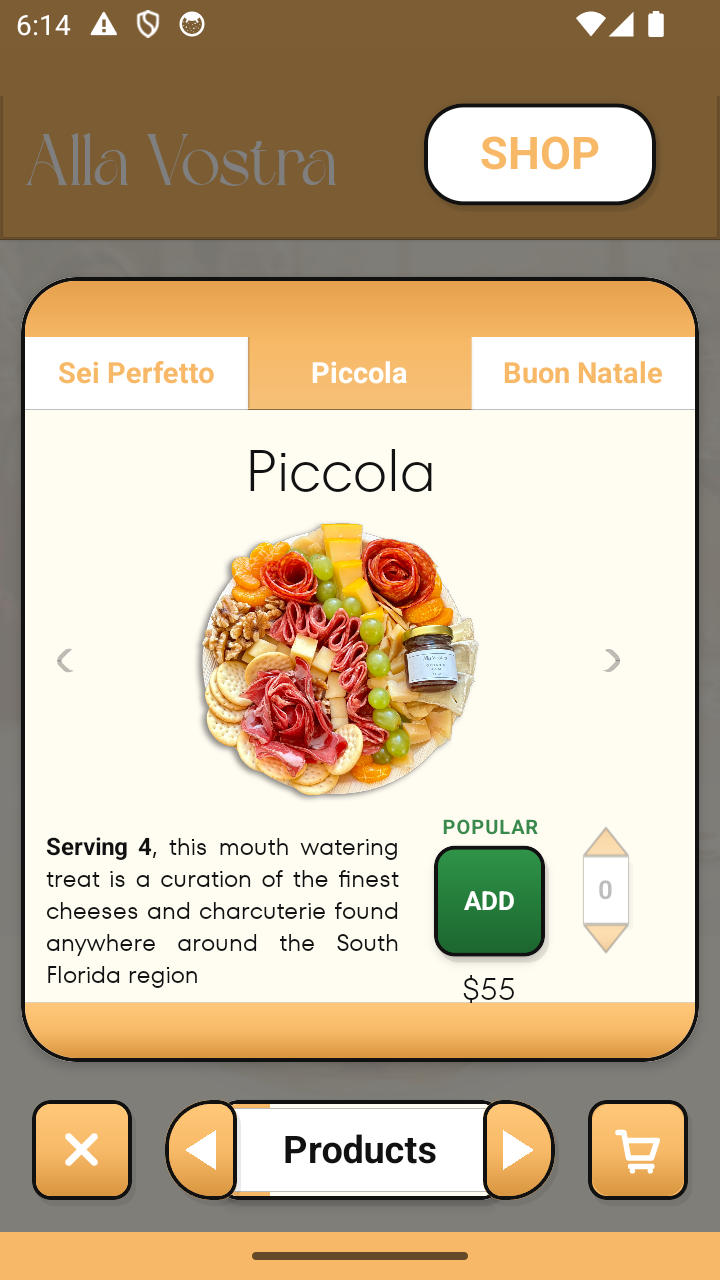
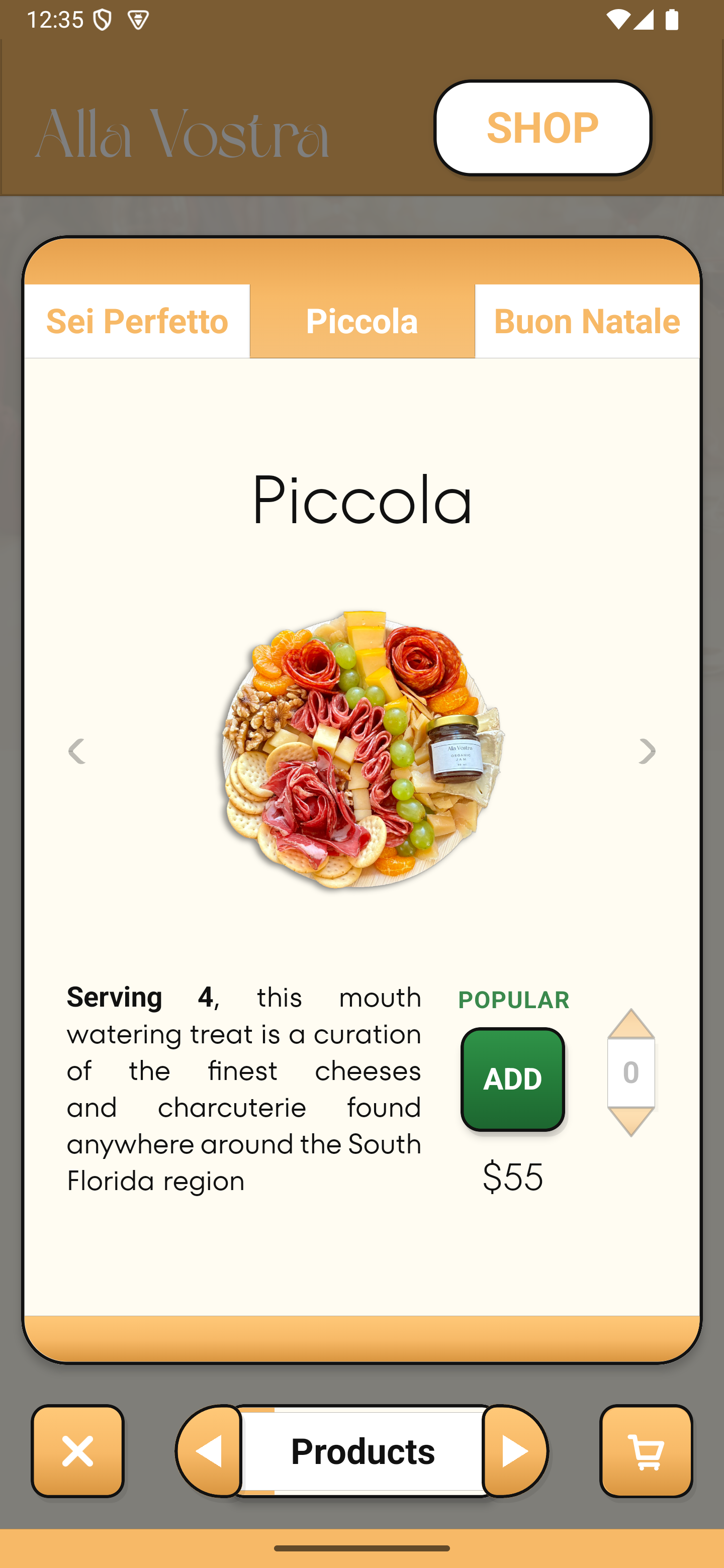
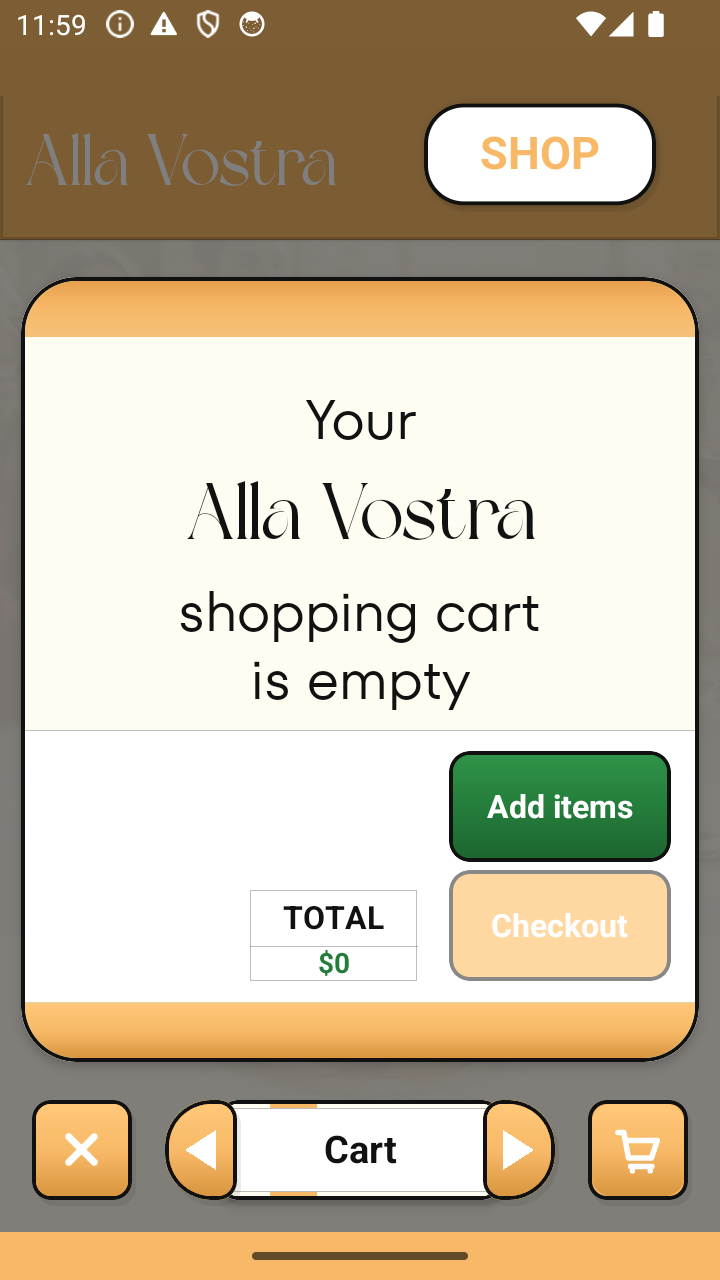
Clear empty and filled states help customers review their selections.
Products Overlay
Empty Cart Overlay
UX Product Flow
Checkout
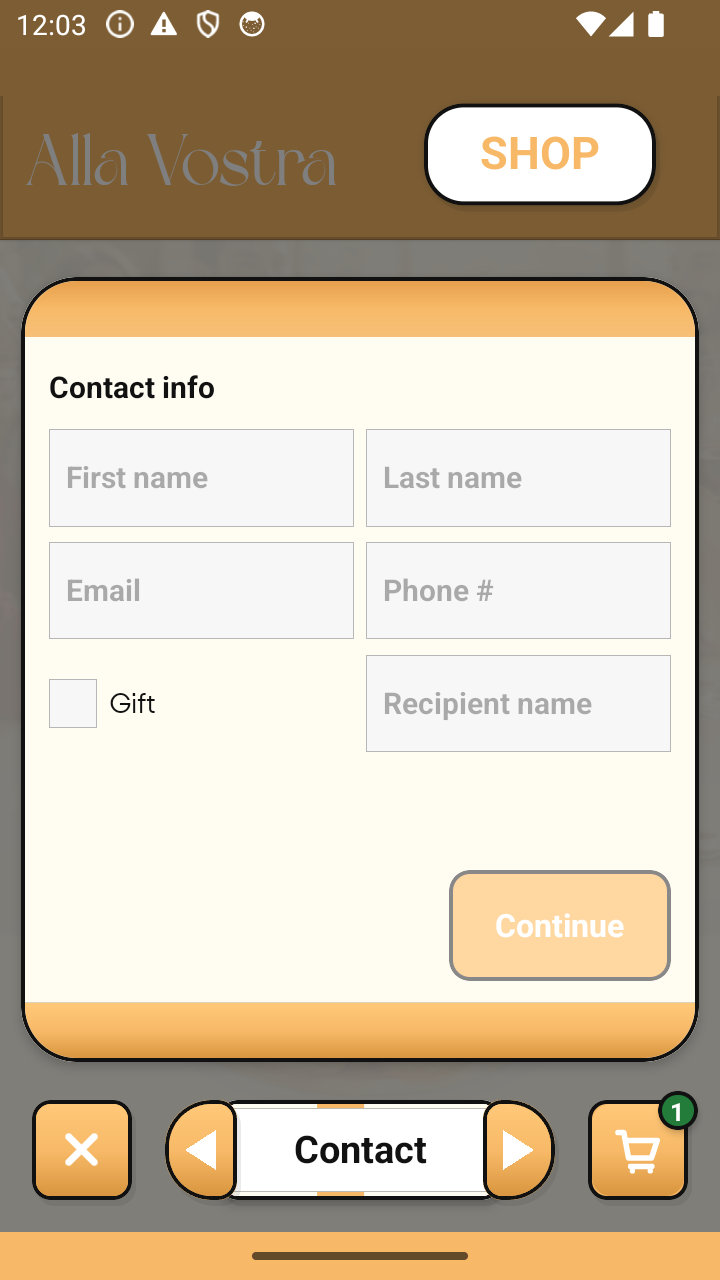
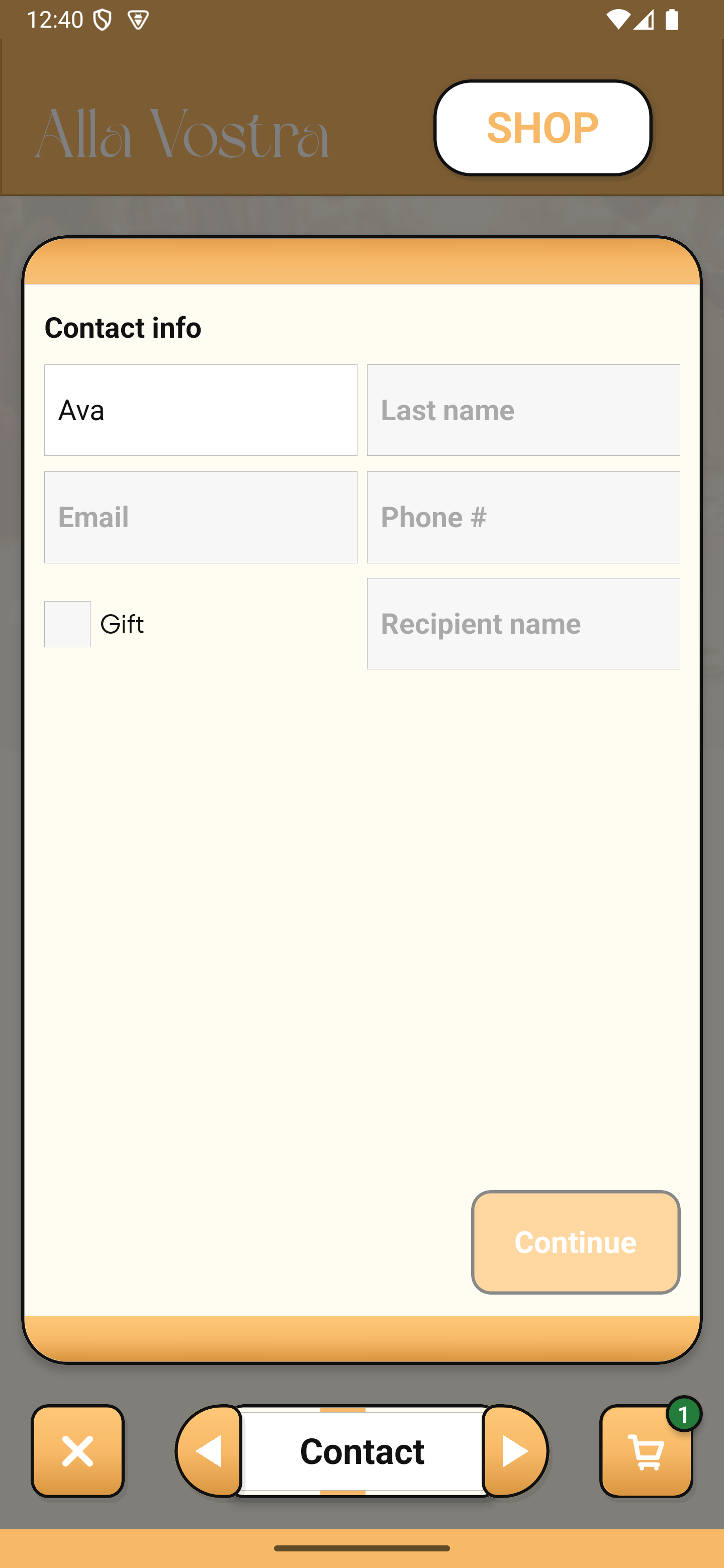
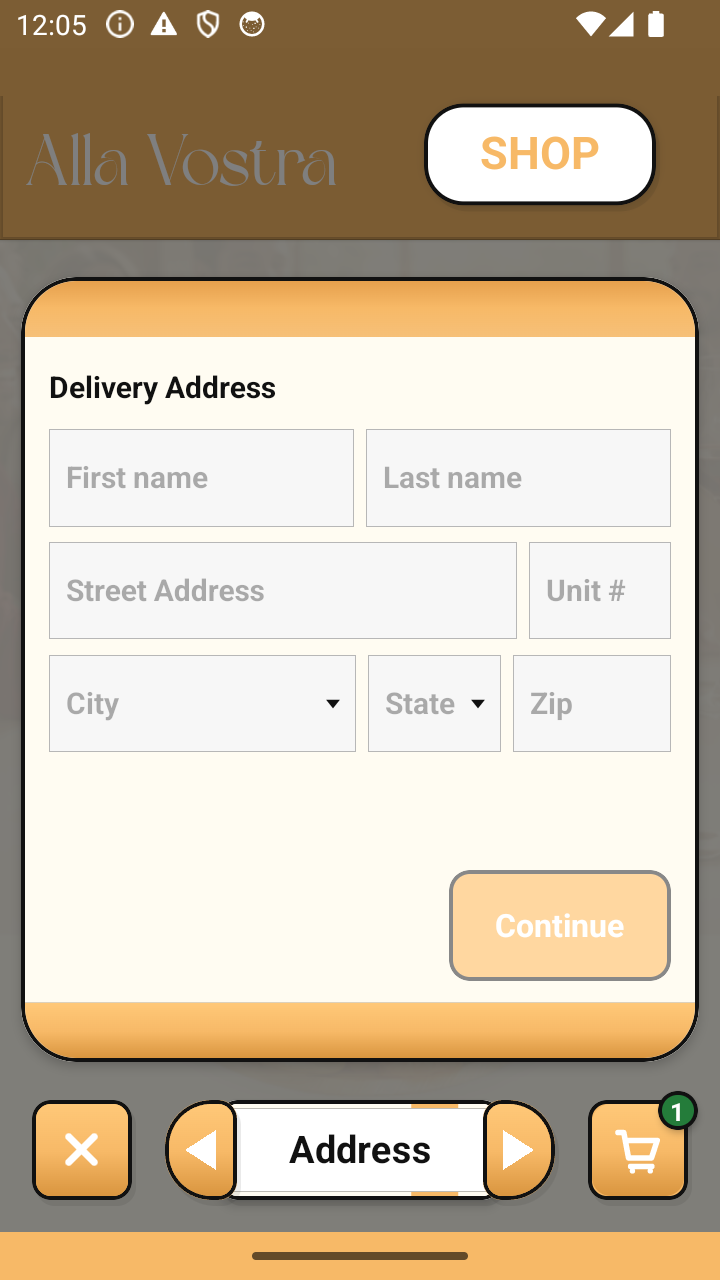
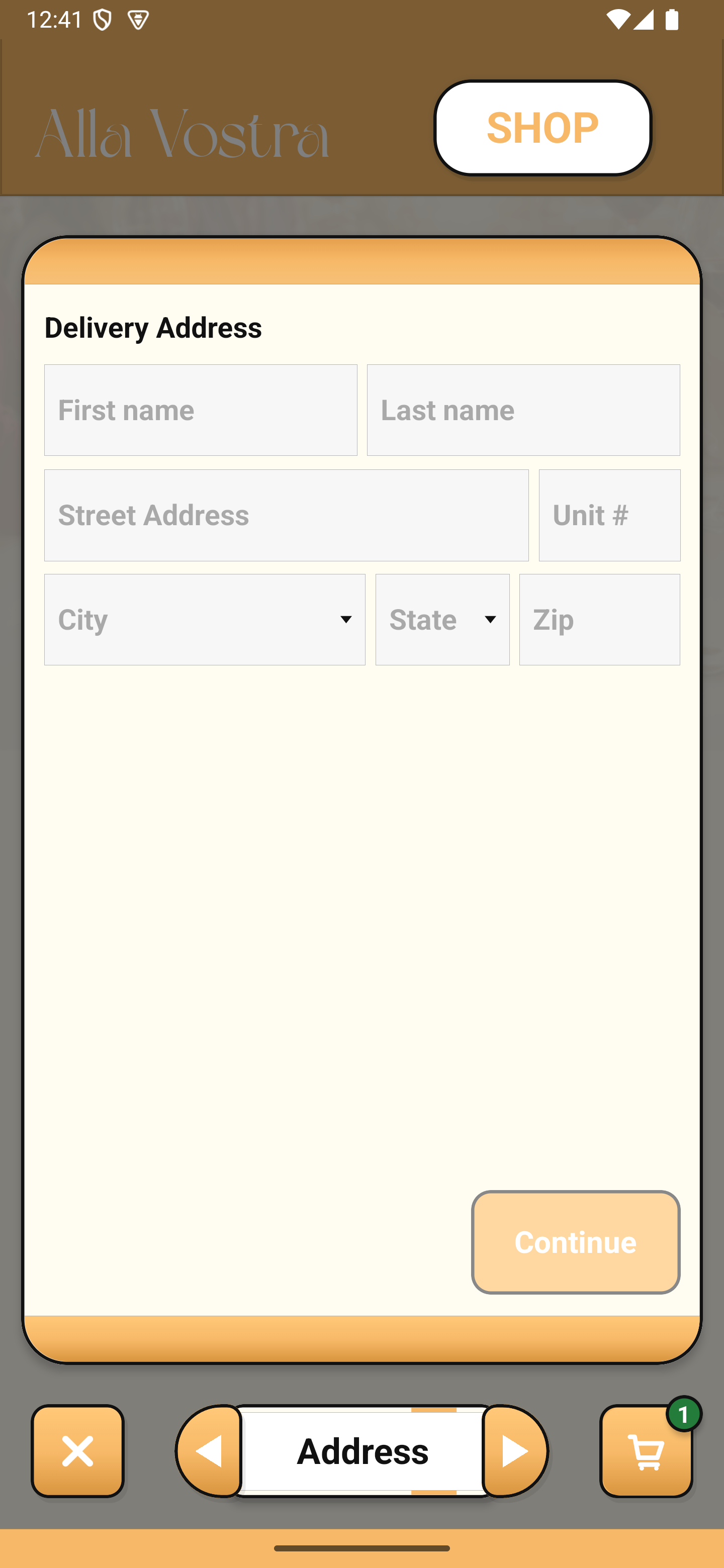
Contact, delivery, and payment details unfold through focused steps.
Contact Input Overlay
Address Input Overlay
UX Product Flow
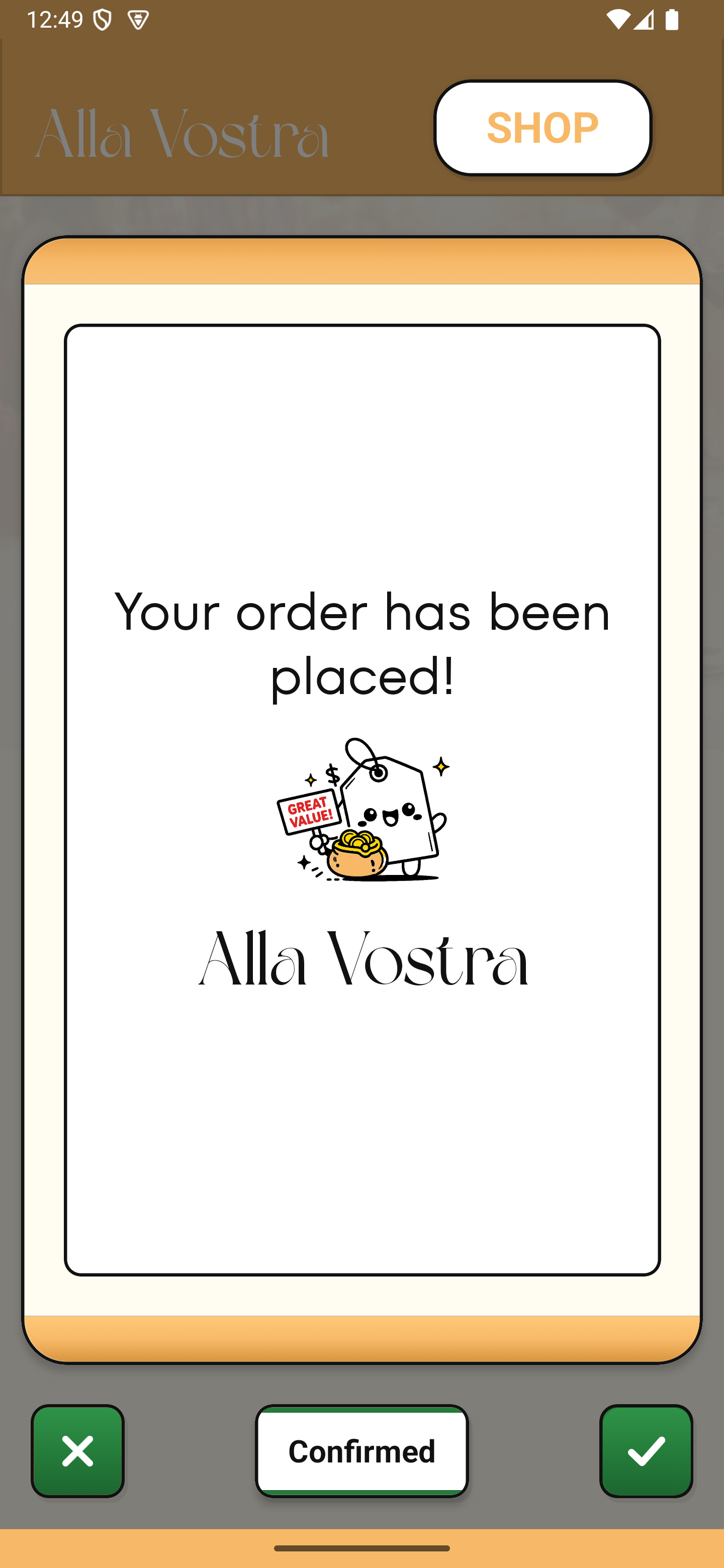
Confirmation
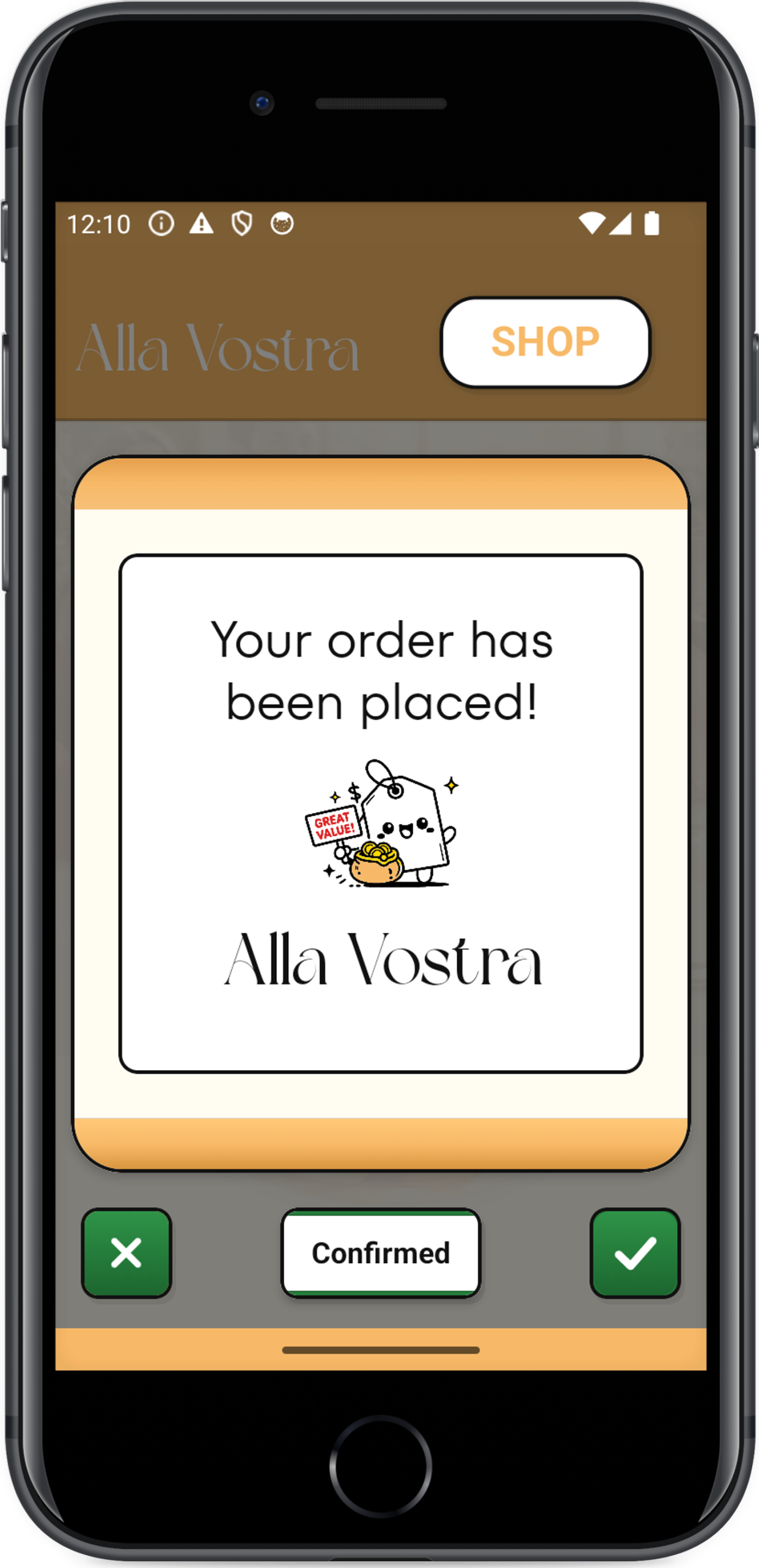
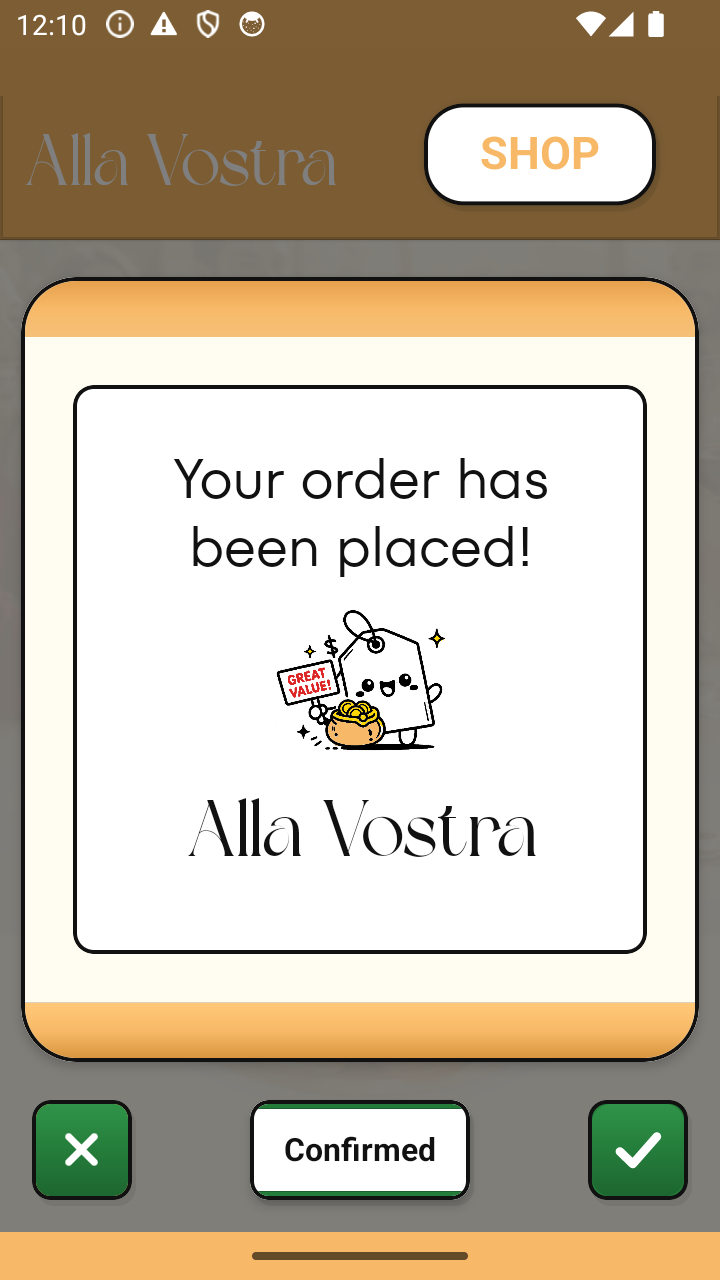
A clear success state completes the journey and confirms the order.
Order Confirmation Overlay
Order Placed Prompt
Architecture
Architecture and Stack
Mobile App
React Native ordering UI
Vercel API
Validated commerce routes
Payment Rails
Stripe, wallets, PayPal
Messaging
Postmark confirmations
Store Builds
EAS, Play Store, TestFlight
01Native App Shell
React Native 0.81, React 19, Expo 54, Expo Router 6, native navigation handling, and bundled app assets.
02Commerce Backend
Vercel serverless routes for health checks, Stripe payment sheets, PayPal order creation/capture, webhooks, and contact messages.
03Order Authority
Backend pricing, tax, delivery fee, quantity, contact, delivery, and Florida service-area validation before payment creation.
04Payment Orchestration
Stripe PaymentIntents cover cards, Google Pay, and Apple Pay; PayPal uses server-created orders and app deep-link return handling.
05Messaging and Release
Postmark handles confirmations and contact inquiries while EAS profiles support native testing, Play Store packaging, and TestFlight configuration.
The project was implemented as an Expo mobile client backed by serverless commerce routes. The app owns the interaction layer, while the backend owns pricing, delivery rules, payment creation, webhooks, PayPal capture, and Postmark messaging. That split kept secrets out of the app and made checkout behavior easier to test across native build targets.
App
React Native 0.81.5React 19.1Expo 54Expo Router 6
Commerce API
Node.jsVercel RoutesServer TotalsStripe Webhooks
Payments
Stripe RN 0.50.3PaymentIntentsWallet PayPayPal REST
Messaging
PostmarkOrder EmailsContact Routing
Release / QA
EAS ProfilesAndroid StudioPlay Store AABTestFlight
Execution
Build Execution
The app sends order intent, while the backend owns product prices, delivery fee, tax, quantity limits, and Florida-only delivery validation before any payment is created.
Stripe card, Google Pay, Apple Pay, and PayPal each have distinct platform and configuration requirements, so the app validates the selected rail before starting checkout.
Postmark delivery is handled through server routes and payment webhooks, keeping email credentials out of the mobile runtime.
Development builds can disable Apple Pay entitlement requirements, while preview, playTest, TestFlight, and production profiles keep release paths explicit.
Android layout, payment readiness, store assets, app versioning, and production bundle behavior were checked against practical release conditions.
Release Readiness
Alla Vostra was not treated as a static concept piece. The work included Android-focused QA, app version 1.0.3 packaging, production AAB preparation, native dev-client testing, TestFlight configuration, and build profiles aimed at real release conditions.
Android v1.0.3Multi-Size Android QAEAS Build ProfilesTestFlight ConfigStripe Live + WebhooksNative Wallet ChecksPayPal Sandbox/LivePostmark MessagingPlay Store AAB
Timeline
Responsive Prototype to Mobile Architecture
The project moved from an interface direction into a React Native, Expo 54, and Expo Router structure built for real mobile ordering paths.
Server-Owned Checkout Logic
Backend work established validated order totals, Stripe payment sheets, delivery constraints, webhook confirmation paths, and safe messaging boundaries.
Multi-Payment Expansion
Checkout grew beyond card payments into Google Pay, Apple Pay, and PayPal, with native/runtime checks for each path.
Native Testing and Store Builds
EAS profiles, Android versioning, Play Store bundle preparation, TestFlight configuration, and free-account iOS development testing were separated into explicit build paths.
Full stack mobile work
Interested in this kind of build?
This project reflects the kind of work I want to keep doing: polished mobile interfaces, server-owned commerce logic, multi-payment integrations, careful release prep, and product decisions that hold up outside of mockups.